

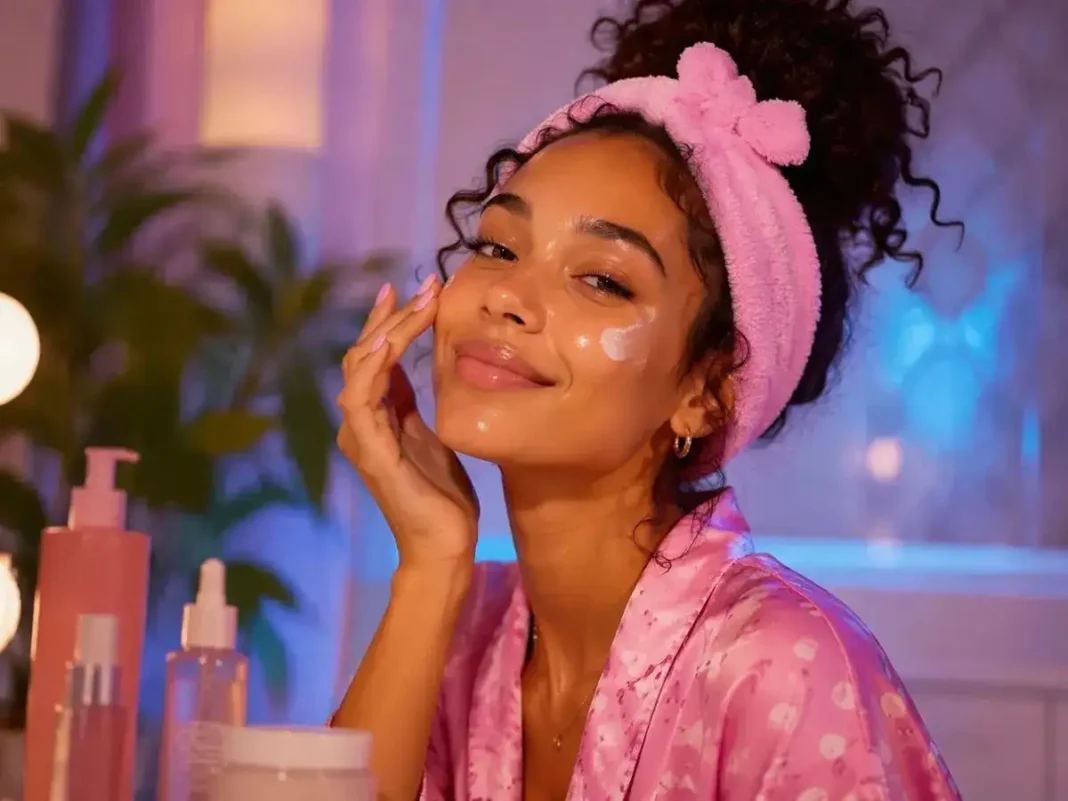
There’s something oddly comforting about a bathroom shelf full of familiar bottles — cleansers, shampoos, lotions — each one promising a little glow, a little confidence. But if you pause for a moment and read the labels, you’ll notice a quiet truth: most of these products are made up largely of water.
And that raises a simple, slightly uncomfortable question — do we really need all that water in our beauty routines?
The answer, it turns out, is changing.
Why Water Became the Default
For decades, water has been the backbone of beauty products. It’s cheap, widely available, and acts as an easy base for mixing active ingredients. It also gives products that smooth, spreadable texture we’ve all come to expect.
But convenience has a cost.
The beauty industry uses billions of litres of water every year — not just in formulations, but in manufacturing and packaging too. Add to that the environmental strain of transporting water-heavy products across long distances, and suddenly that lightweight moisturizer doesn’t feel so light anymore.
The Rise of Concentrated Beauty
In recent years, there’s been a subtle but powerful shift. Brands — both indie and established — are experimenting with formulations that either reduce or completely eliminate water.
Think powder cleansers that activate with a few drops from your tap. Solid shampoos that last longer than bottled ones. Serums that come in concentrated forms, requiring just a tiny amount per use.
It’s not just about sustainability, though that’s a big part of it. These products often have fewer preservatives, longer shelf lives, and surprisingly, better performance in some cases.
Less filler. More function.
Waterless Beauty Products: Sustainability ka next step
This phrase might sound like a trend headline, but it reflects something deeper — a shift in mindset.
When we talk about sustainability in beauty, we usually focus on packaging: recyclable bottles, biodegradable materials, refill systems. Important, yes. But waterless formulations go a step further. They rethink the product itself.
By removing water, brands reduce the need for preservatives, cut down shipping weight, and minimize their overall environmental footprint. It’s a small change on the surface, but it ripples outward in ways that are hard to ignore.
What It Feels Like to Use Them
Here’s where things get interesting — using waterless products can feel… different.
At first, it might even feel inconvenient. A powder face wash doesn’t glide the way a gel does. A shampoo bar takes a little getting used to. You might fumble a bit, use too much, or wonder if it’s working at all.
But then, something clicks.
You start noticing how little you actually need. How long the product lasts. How your skin reacts — sometimes better, sometimes just differently. It becomes less about habit and more about intention.
And that shift? It sticks.
Are They Really Better for the Planet?
Short answer: often, yes — but not always.
Waterless products tend to have a smaller carbon footprint because they’re lighter to transport and require less packaging. They also reduce water consumption during production, which is a big deal in regions facing water scarcity.
However, not all waterless products are created equal. Some still rely on resource-intensive ingredients or complex manufacturing processes. So while the concept is promising, the execution matters.
It’s a reminder that sustainability isn’t a one-size-fits-all solution. It’s layered, nuanced — a bit messy, honestly.
The Cost Conversation
Let’s talk money, because it always comes up.
Waterless beauty products can seem expensive at first glance. A small bar of shampoo or a tiny jar of powder cleanser might cost more than their liquid counterparts.
But here’s the catch — they last longer.
Since they’re concentrated, you use less each time. Over weeks or months, the cost often balances out. Sometimes, it even works out cheaper.
Still, the upfront price can be a barrier, especially in markets where affordability drives most purchasing decisions.
A Trend or a Turning Point?
It’s tempting to label waterless beauty as just another trend — like charcoal masks or sheet masks once were. Something that will fade when the next big thing arrives.
But this feels different.
There’s a growing awareness around resource use, climate impact, and personal responsibility. Consumers are asking better questions. Brands are being pushed to answer them.
And in that context, waterless beauty doesn’t feel like a passing phase. It feels like part of a larger, more meaningful shift.
Where Do We Go From Here?
Maybe the future of beauty isn’t about completely eliminating water. That’s probably unrealistic. But reducing unnecessary use? That seems doable.
It might mean swapping one or two products in your routine. Experimenting a little. Being okay with small adjustments.
Because real change rarely happens all at once. It’s gradual. Imperfect. Built on tiny decisions that add up over time.
A More Thoughtful Routine
At the end of the day, beauty has always been personal. It’s about how you feel, what works for you, what fits into your life.
Waterless products don’t demand a complete overhaul. They simply invite you to think differently — about what you use, why you use it, and what impact it leaves behind.
And maybe that’s the real story here.
Not just less water… but more awareness.

