Anyone who has spent even a few hours around a construction site knows how quickly things pile up. A few sheets of drywall come down, old cabinets get pulled out, packaging gets tossed aside, and suddenly there’s a small mountain where an empty driveway used to be.
Waste removal isn’t the most exciting part of building or remodeling. Still, it has a surprisingly big effect on how smoothly a job moves. A cluttered site slows people down, creates unnecessary hazards, and makes an otherwise well-managed project feel chaotic. Planning for debris from the beginning is one of those simple decisions that saves headaches later.
Waste Builds Up Faster Than Most People Expect
Before work starts, it’s easy to underestimate how much material will actually be thrown away. An old bathroom doesn’t look like much when everything is still attached to the walls. Once the tile, vanity, flooring, drywall, fixtures, and packaging are sitting in separate piles, the picture changes pretty quickly.
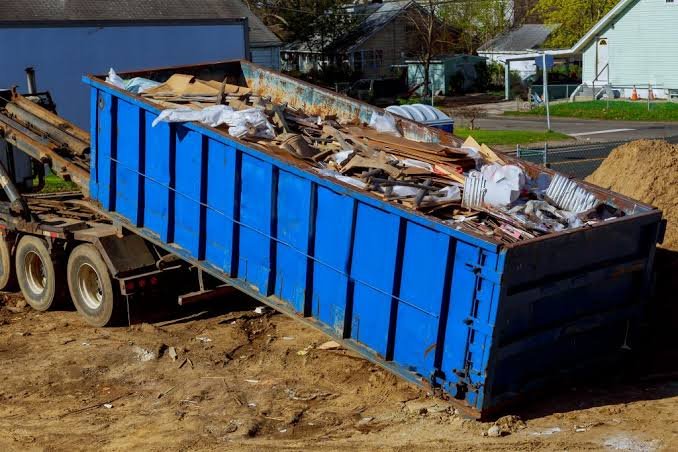
Larger jobs make the issue even more obvious. Roofing materials, lumber scraps, broken concrete, siding, insulation, and general building debris all need somewhere to go. That’s why construction dumpsters are commonly planned into the job rather than ordered only after waste has already taken over the site.
Having a dedicated place for debris also makes expectations clear. Workers don’t have to decide where every broken board or empty box belongs. It goes into the container, the work area stays open, and everybody can get on with the actual job.
Related analysis: Creating a More Comfortable Home Starts with Better Water Systems
Renovations Have Their Own Kind of Mess
Renovating an occupied home can be trickier than working on an empty building. People may still need to use the driveway, walk through parts of the house, keep pets away from debris, or simply continue their normal routine while contractors are coming and going.
That makes waste planning especially important for renovation projects. A kitchen remodel, for instance, may involve old countertops, cabinets, flooring, appliances, drywall, and dozens of smaller pieces of material. Leaving all of that scattered around isn’t just unattractive. It can interfere with deliveries and make the working space harder to navigate.
Placement matters too. A waste container should be reasonably close to the work area without blocking access that homeowners or contractors still need. Thinking about this before demolition begins is much easier than trying to rearrange a crowded site halfway through the job.
Choosing the Right Size Matters
Bigger isn’t automatically better.
A container that’s too small may fill up before the project is finished, which can mean extra pickups or another rental. On the other hand, ordering far more capacity than necessary may waste money and occupy valuable space.
Related analysis: Your Water System Needs Care Before It Starts Complaining
The best estimate starts with the type of material being removed. Lightweight household debris behaves differently from concrete, brick, soil, or roofing material. Heavy debris can reach weight limits long before a container looks physically full.
If you’re unsure, describe the job rather than guessing based purely on dimensions. Saying, “We’re removing a small kitchen and replacing the flooring downstairs,” is often more useful than trying to calculate the exact volume of debris yourself.
A Cleaner Site Is Usually a Safer Site
There’s a practical safety argument here as well. Loose nails, sharp metal, broken tile, splintered lumber, and chunks of drywall aren’t things you want scattered through a work area.
Regularly clearing debris keeps pathways visible and gives workers more room to move equipment and materials. It can also reduce those frustrating little delays where someone has to stop working just to move yesterday’s rubbish out of the way.
This matters beyond major construction. Property owners often tackle garage clear-outs, landscaping work, storm debris removal, estate cleanouts, and other cleanup projects where the amount of waste becomes obvious only after the work has begun. Having one designated disposal point can turn a messy weekend into something considerably more manageable.
Related analysis: When Hard Water Starts Leaving Its Mark at Home
Know What Can and Cannot Go Inside
One mistake people make is assuming that every unwanted material can simply be tossed into the same container. Disposal rules can vary depending on the provider and local regulations.
Paint, chemicals, batteries, certain electronics, tires, oils, asbestos-containing materials, and other hazardous items may require separate handling. Heavy materials such as concrete or dirt can have special restrictions as well.
It’s worth checking before loading. A two-minute conversation about accepted materials is considerably easier than dealing with rejected debris or unexpected charges afterward.
Think About Access Before Delivery Day
The delivery vehicle needs room, not just the container itself. Low tree branches, narrow gates, parked vehicles, soft ground, overhead wires, and tight turns can complicate placement.
A flat, stable surface is usually preferable. Driveways are convenient, although homeowners may want to ask about protecting the surface depending on the container and its weight. Street placement can sometimes work too, but local permits or neighborhood restrictions may apply.
Related analysis: The Everyday Story Behind Cleaner Water and Why Homes Are Quietly Upgrading
Basically, don’t wait until the truck arrives to figure out where everything should go.
Good Waste Planning Keeps the Whole Project Moving
Debris removal rarely gets much attention when people imagine a new kitchen, an updated office, or a freshly built addition. They’re thinking about finishes, layouts, budgets, and deadlines. Fair enough.
Yet the boring logistical details often determine whether the work feels organized or constantly behind schedule.
Plan where waste will go, estimate the amount realistically, understand disposal restrictions, and arrange removal before debris becomes a problem. None of this is particularly glamorous, but that’s sort of the point. When waste management is handled properly, you barely notice it.
And on a busy job site, that’s exactly how it should be.
Related analysis: When Your Tap Water Starts Tasting Strange, It’s Usually Worth Paying Attention