There are a few things in a home that quietly shape your everyday comfort without demanding much attention. Reliable heating, good lighting, and clean water all fall into that category. You rarely think about them when everything works as expected, but the moment something goes wrong, they suddenly become the center of your day.
Water, in particular, does far more than fill a glass. It helps prepare meals, keeps appliances running, supports personal hygiene, and makes simple routines feel effortless. That’s why homeowners today are paying closer attention to how water is heated, filtered, and delivered throughout the house.
Rather than viewing plumbing and water systems as separate pieces, more people are realizing that they work best when designed to complement one another.
Every Household Uses Water Differently
No two homes have identical routines.
A retired couple may use relatively little hot water, while a family with children could have showers, laundry, dishwashing, and cooking happening almost simultaneously. Add guests during the holidays, and daily water demand changes again.
Related analysis: Why Better Water at Home Changes More Than Just Taste
Understanding your household’s hot water needs is one of the most important steps before upgrading any equipment. Choosing a system that’s too small often results in frustrating shortages, while oversized equipment may consume more energy than necessary.
Finding the right balance creates a home that feels comfortable without wasting resources.
Water Quality Affects More Than Drinking
Many homeowners first notice water quality when something tastes different.
But the effects go much further than the kitchen sink.
Hard water can leave scale inside water heaters, dishwashers, and washing machines. Chlorine may influence the taste of beverages, while sediment gradually reduces appliance efficiency over time.
Related analysis: Why Better-Tasting Water Changes More About a Home Than People Expect
Even soap behaves differently depending on mineral content.
When water quality improves, homeowners often notice softer laundry, cleaner dishes, brighter fixtures, and plumbing systems that require less maintenance.
It’s one of those improvements that quietly touches almost every room in the house.
Modern Heating Has Become Much Smarter
Today’s water heating solutions are designed to provide much more than basic hot water.
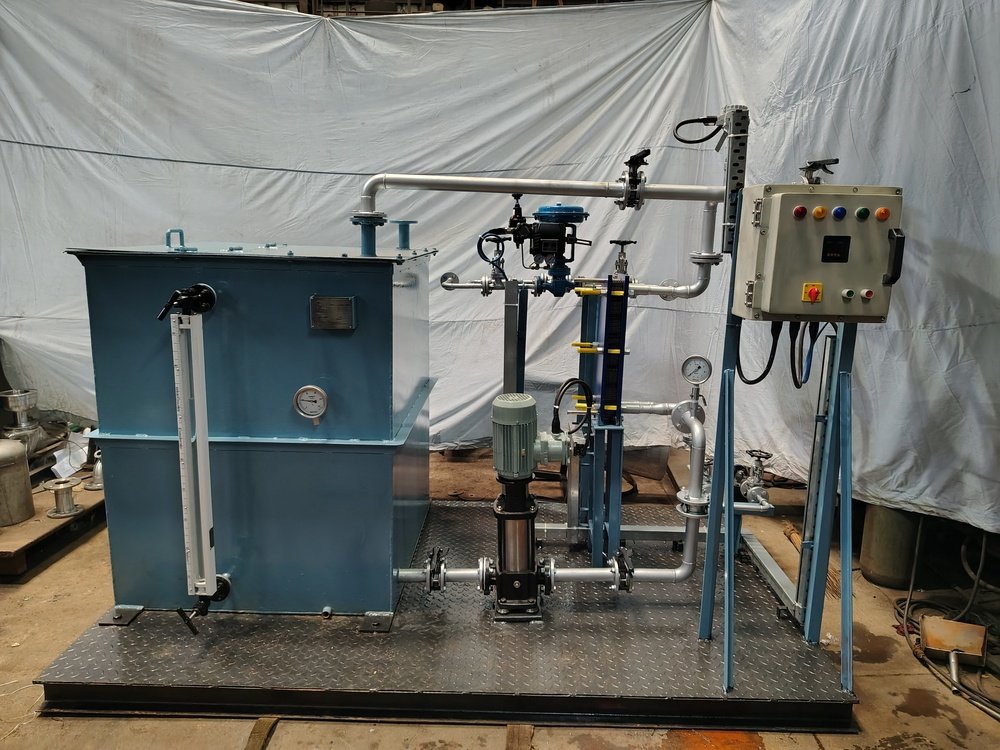
Modern storage tanks feature improved insulation that reduces heat loss, while tankless models provide heated water on demand without storing large volumes. Heat pump systems use innovative technology to lower electricity consumption, and hybrid units combine multiple heating methods for greater efficiency.
Related analysis: How Better Water Quietly Improves the Comfort of Your Home
Many systems also include smart controls that monitor performance, schedule operation, and even notify homeowners if maintenance is required.
Technology has made hot water both more reliable and more efficient than it was just a few years ago.
Why Water Treatment Matters Too
Heating water efficiently is only part of the equation.
If mineral-rich water continues flowing through plumbing, scale buildup can slowly reduce system performance regardless of how advanced the heater may be.
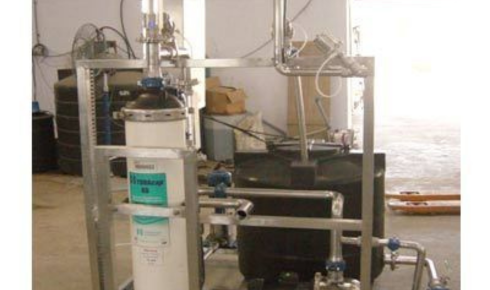
That’s where properly selected water treatment equipment becomes valuable. Water softeners reduce hardness minerals, sediment filters capture debris before it reaches appliances, and carbon filtration improves taste while reducing chlorine and odors.
Related analysis: When Hard Water Starts Leaving Its Mark at Home
When heating and treatment systems work together, homeowners often experience fewer repairs, longer appliance life, and more consistent performance.
It’s a partnership that many people overlook until they see the results firsthand.
Small Improvements Add Up
People sometimes expect dramatic changes after upgrading household water systems.
Instead, the benefits usually appear gradually.
Showers feel more comfortable because water temperature remains consistent. Dishwashers clean more effectively. Coffee tastes a little smoother. Water heaters recover faster, and plumbing fixtures stay cleaner with less effort.
Related analysis: Better Water Makes a Home Feel Better in Small, Everyday Ways
None of these improvements are dramatic by themselves.
Together, however, they create a home that simply functions better every single day.
Maintenance Is Easier Than Most People Think
Even high-quality equipment benefits from routine care.
Water heaters should be inspected periodically, tanks flushed when recommended, and filters replaced according to manufacturer guidelines. Water softeners require occasional servicing, while filtration systems perform best when maintenance schedules are followed consistently.
The encouraging news is that routine maintenance is generally simple and inexpensive compared with replacing damaged appliances or repairing neglected plumbing.
A little attention today often prevents larger problems tomorrow.
Think About Long-Term Value
When comparing equipment, it’s tempting to focus only on purchase price.
However, the true cost includes energy consumption, maintenance, repairs, expected lifespan, and everyday reliability.
Higher-quality systems often cost more initially but save money through improved efficiency, reduced utility bills, and fewer service calls over many years.
That’s why experienced professionals frequently encourage homeowners to evaluate long-term value rather than short-term savings.
It’s an approach that usually pays off.
Professional Advice Makes Choosing Easier
The variety of products available today can feel overwhelming.
Tank or tankless? Water softener or filtration system? Whole-house treatment or point-of-use equipment?
Rather than guessing, many homeowners benefit from a professional evaluation that considers household size, local water quality, plumbing layout, and future needs.
A customized recommendation almost always produces better results than selecting equipment based solely on advertisements or online reviews.
After all, every home tells a different story.
Better Water Supports Better Living
Clean, dependable water quietly supports almost everything we do at home. It makes cooking easier, showers more comfortable, cleaning more effective, and household appliances more dependable.
When heating systems and water treatment work together, those everyday experiences improve in ways that often go unnoticed until you compare them with the past.
That’s the beauty of a well-designed home system—it doesn’t demand attention. It simply works.
Investing in Comfort That Lasts
The best home upgrades aren’t always the most visible. Sometimes they’re the improvements that quietly make ordinary routines easier every single day.
By understanding your household’s water usage, selecting equipment that fits your lifestyle, and maintaining those systems properly, you create a home that’s more comfortable, more efficient, and better prepared for the future.
Whether you’re replacing an aging water heater, improving water quality, or planning a complete system upgrade, thoughtful decisions today can provide years of reliable performance and everyday convenience.
In the end, great water systems don’t just deliver hot water or cleaner drinking water—they support the countless little moments that make a house truly feel like home.