Water Has a Way of Leaving Clues
Most of us don’t spend much time thinking about the water flowing through our homes. We turn on the tap, fill a glass, wash the dishes, or start a load of laundry without giving it a second thought. But every so often, water starts leaving little hints that something isn’t quite right. A strange metallic taste, cloudy glassware, or stubborn marks in the sink can quietly signal that your home’s water deserves a closer look.
The tricky part is that these signs often develop so gradually that they’re easy to ignore. You clean the sink, the stains disappear for a while, then they come back. You replace a faucet, only to notice the same discoloration a few months later. Before long, it feels like a never-ending cycle.
Instead of treating these issues as isolated annoyances, it’s worth asking a simple question: what is your water trying to tell you?
The Story Behind Stubborn Bathroom and Kitchen Stains
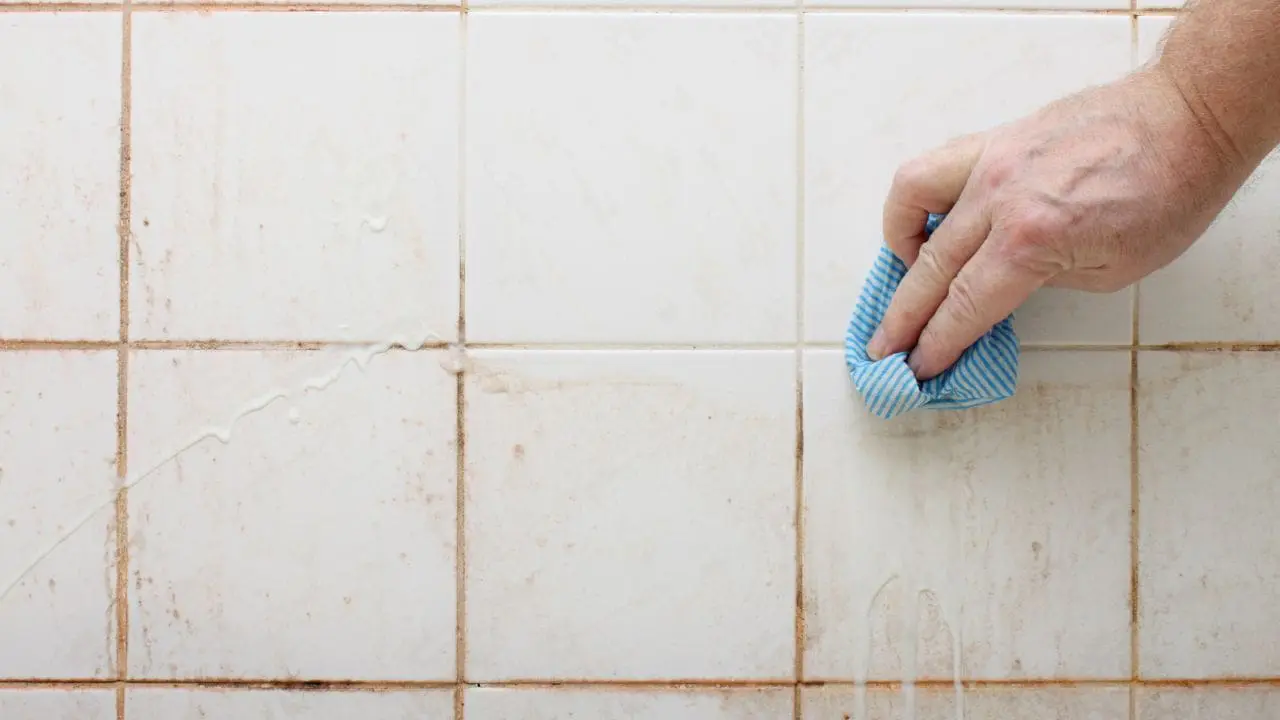
One of the first things homeowners notice is the appearance of red/orange stains around sinks, toilets, bathtubs, and shower drains. These marks usually don’t appear because someone forgot to clean. More often, they’re caused by naturally occurring minerals that react with oxygen after the water leaves the faucet.
Groundwater picks up minerals as it travels through soil and rock before reaching homes. Depending on where you live, the mineral content can vary dramatically. Some homes experience only mild staining, while others battle heavy discoloration every week despite frequent cleaning.
Related analysis: Why Better Water at Home Changes More Than Just Taste
The frustrating part isn’t removing the stains—it’s watching them return.
Many people spend years buying stronger cleaning products without ever addressing the source of the problem.
Water Quality Can Affect More Than Appearance
Visible stains are only part of the picture.
Minerals dissolved in water can gradually build up inside plumbing fixtures, water heaters, dishwashers, washing machines, and coffee makers. That buildup doesn’t happen overnight, but over months and years it may reduce efficiency and increase wear on expensive appliances.
Soap may become harder to rinse away. Glasses can develop cloudy spots. White clothing might slowly lose its brightness after repeated washing.
Related analysis: Why Maintaining Your Home Water System Matters More Than Most People Realize
None of these changes seem dramatic by themselves. Together, though, they can noticeably change how your home feels and functions.
It’s often the everyday inconveniences—not the major breakdowns—that finally convince homeowners to investigate their water quality.
Guessing Isn’t Nearly as Helpful as Testing
It’s surprisingly common for people to assume they know what’s causing a water problem.
Some blame old plumbing. Others think it’s simply hard water. A few assume the city water supply has temporarily changed. While any of those explanations might be correct, they’re still guesses.
A free home water test can remove the uncertainty by identifying exactly what’s present in your household water. Rather than replacing equipment or buying filtration products based on assumptions, testing provides useful information that helps match the right treatment to the actual issue.
Related analysis: Why Better-Tasting Water Changes More About a Home Than People Expect
That’s an important distinction.
Water treatment isn’t one-size-fits-all. The best solution depends on what the test reveals, not what seems most likely.
Why One Neighbor’s Solution May Not Work for You
If you’ve ever asked neighbors about water problems, you’ve probably heard several completely different recommendations.
Someone swears by a water softener.
Another recommends a sediment filter.
Related analysis: Why Better Water Changes More Around the House Than You’d Expect
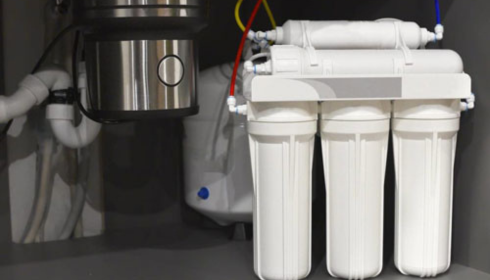
Someone else insists reverse osmosis is the answer to everything.
The reality is that homes only a few streets apart can have noticeably different water characteristics. Private wells, municipal infrastructure, plumbing age, and even seasonal groundwater conditions all play a role.
That’s why homeowners often discover that different methods of treatment are needed depending on the exact minerals or contaminants involved.
Choosing equipment before understanding the water itself can lead to disappointing results and unnecessary expenses.
Small Water Problems Have a Habit of Growing
Many household water issues begin quietly.
Related analysis: Creating a More Comfortable Home Starts with Better Water Systems
The showerhead loses a little pressure.
The dishwasher seems less effective.
The coffee tastes slightly different.
Then comes the bathroom staining, cloudy dishes, appliance maintenance, and constant scrubbing.
Because the changes happen gradually, it’s easy to adapt without realizing how much extra work poor water quality creates.
Addressing the problem early often prevents years of frustration and may even extend the life of household plumbing and appliances.
Sometimes solving the issue isn’t about making dramatic improvements. It’s about stopping gradual damage before it becomes expensive.
Better Water Changes Everyday Living
When people improve their home’s water quality, they often expect huge differences immediately.
Instead, it’s usually the small moments that stand out first.
Showers feel cleaner.
Soap lathers more easily.
The kitchen sink stays brighter for longer.
Freshly washed clothes look more vibrant.
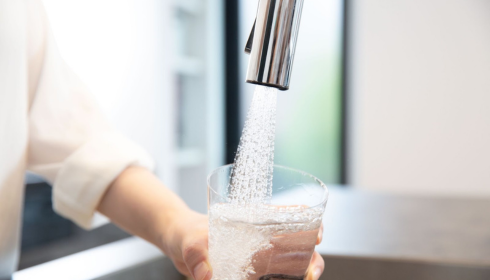
Even making coffee or filling a glass of drinking water becomes a more enjoyable experience.
These little improvements aren’t flashy, but they’re the kind you notice almost every single day.
That’s what makes good water quality feel worthwhile.
Looking Beyond the Surface
Water isn’t something we usually think about until it causes visible problems. By that point, the underlying issue may have been present for months—or even years.
Whether your home has recurring stains, unusual tastes, cloudy fixtures, or simply water that doesn’t seem quite right, paying attention to those signs is a smart first step.
Understanding your water doesn’t mean assuming the worst. It simply means gathering the facts before making decisions.
Once you know exactly what’s in your water, finding an effective solution becomes much easier.
Final Thoughts
Every home has its own unique water story. Some households deal with naturally occurring minerals, while others experience issues related to plumbing or local water conditions. Whatever the cause, ignoring the signs rarely makes them disappear.
Taking time to understand your water today can save frustration tomorrow. Cleaner fixtures, longer-lasting appliances, fresher drinking water, and less time spent scrubbing stubborn stains all start with knowing what’s coming out of your tap.
Sometimes the smallest clues around your home are pointing toward the simplest solution. Listening to those clues may be one of the smartest home maintenance decisions you’ll ever make.