If you’ve ordered food online recently—and let’s be honest, most of us have—you might’ve noticed something odd. New restaurant names popping up every few weeks. Dishes that look great in pictures, arrive neatly packed… but you’ve never seen the actual place.
No storefront. No seating. Sometimes, not even a signboard.
Welcome to the new reality of food businesses. It’s not flashy, but it’s everywhere.
What Exactly Is a Cloud Kitchen?
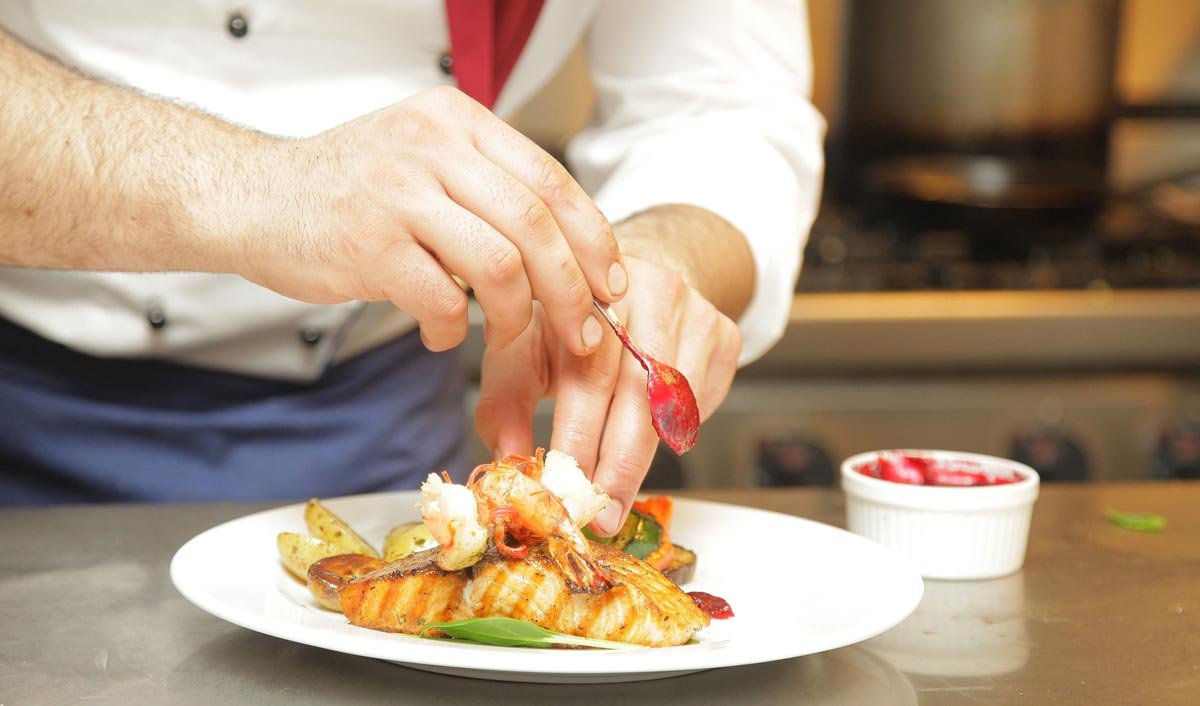
At its simplest, a cloud kitchen is a delivery-only restaurant. No dine-in space, no elaborate interiors, no waitstaff moving between tables. Just a kitchen focused entirely on preparing food for online orders.
That’s it.
Related analysis: Eating Better Without Trying Too Hard: Why Functional Foods Are Finding a Place on Our Plates
But behind that simplicity is a big shift in how restaurants operate. By removing the need for physical dining spaces, owners can cut costs—rent, décor, service staff—and focus on what matters most: the food and how quickly it reaches customers.
It’s leaner. More flexible. And honestly, it fits how people eat today.
Why This Model Is Growing So Fast
Think about how habits have changed in the last few years. Busy schedules, long commutes, more people working from home, and of course, the rise of food delivery apps.
Convenience has become non-negotiable.
That’s where Cloud Kitchens ka Boom: Restaurants ka naya model starts to make sense. It’s not just a business experiment—it’s a response to demand. People want good food without stepping out, and cloud kitchens are built exactly for that.
Related analysis: Meat Without the Farm: A Quiet Revolution on Our Plates
For entrepreneurs, it lowers the barrier to entry. You don’t need a prime location or a huge investment to get started. Just a well-planned kitchen, a solid menu, and a presence on delivery platforms.
One Kitchen, Multiple Brands
Here’s something that surprises many people.
A single cloud kitchen can run multiple brands at once. The same kitchen might be serving biryani under one name, burgers under another, and desserts under a third.
It sounds confusing, but it’s actually quite strategic.
Different brands target different cravings, audiences, and price points—all from the same setup. It maximises efficiency while giving customers more choices.
From the outside, it looks like variety. Behind the scenes, it’s smart resource management.
The Cost Advantage (And Its Limits)
Lower costs are one of the biggest advantages of cloud kitchens. No expensive interiors, no large dining spaces, fewer staff requirements.
But it’s not entirely cheap either.
There are platform commissions, packaging costs, marketing expenses, and the constant need to maintain quality and consistency. Plus, competition is intense. When customers can scroll through dozens of options in seconds, standing out becomes harder.
So while entry is easier, survival still takes effort.
Customer Experience Without a Physical Space
This is where things get interesting.
In traditional restaurants, experience includes ambience, service, presentation. With cloud kitchens, most of that disappears. What’s left is the food—and how it’s delivered.
Packaging becomes crucial. Timing matters more than ever. Even small delays or quality issues can lead to negative reviews that directly impact orders.
In a way, cloud kitchens are more exposed. There’s no atmosphere to soften a bad experience.
Are Traditional Restaurants at Risk?
Not exactly.
Dine-in restaurants still have their place. Celebrations, social outings, special occasions—these aren’t going anywhere. People still enjoy sitting down, sharing meals, experiencing a space.
But what is changing is how restaurants think about expansion.
Many traditional eateries are now launching their own cloud kitchen versions. Same brand, different model. It allows them to reach more customers without opening new physical locations.
It’s less about replacement, more about adaptation.
The Role of Technology
Technology isn’t just supporting this model—it’s driving it.
From order management systems to delivery tracking, customer data to menu optimisation, everything runs on digital infrastructure. Decisions are often based on data—what sells, when it sells, how often it’s reordered.
This makes cloud kitchens surprisingly agile. They can tweak menus, test new concepts, even shut down underperforming brands quickly.
It’s a faster, more responsive way of running a food business.
The Challenges No One Mentions
It’s easy to get caught up in the growth stories, but cloud kitchens come with their own set of challenges.
Brand loyalty can be fragile. Customers might order based on discounts rather than preference. Visibility on apps often depends on promotions, which cuts into margins.
And without a physical presence, building a lasting identity takes time.
There’s also the question of trust. Some customers still prefer ordering from known, visible restaurants rather than unfamiliar virtual brands.
Final Thoughts
The food industry isn’t changing overnight, but it is evolving.
Cloud kitchens reflect how people live today—fast-paced, convenience-driven, digitally connected. They’re not perfect, and they’re not the answer for every kind of restaurant. But they’ve carved out a space that’s hard to ignore.
For business owners, it’s an opportunity. For customers, it’s more choice.
And somewhere in between, it’s a reminder that even something as traditional as food can adapt in quiet, unexpected ways.