When people start thinking about improving their drinking water, the first question is often about the system itself. Should it use reverse osmosis? Carbon filtration? Multiple stages? How much maintenance will it need?
Those are all important questions, of course. But there’s another detail that can make just as much difference: where the system will actually go.
A water filtration system has to fit into a real home, not a perfectly staged showroom. There may be limited cabinet space, an awkward plumbing layout, a finished basement, or simply no desire to have another appliance sitting out on the kitchen counter.
The good news is that modern water treatment equipment offers several installation possibilities. Depending on the type of system and the layout of the home, homeowners can choose a location that balances convenience, available space, maintenance access, and everyday use.
The best installation isn’t always the most obvious one. Sometimes the smartest solution is the one that quietly fits into the home and does its job without getting in anyone’s way.
Related analysis: Choosing the Right Water Filtration System for a Cleaner, Better-Tasting Home
Start With How and Where You Use Drinking Water
Before deciding on an installation location, think about how your household uses filtered water.
For most families, the kitchen is the natural starting point. It’s where water is used for drinking, coffee, tea, cooking, filling reusable bottles, and preparing meals. Installing a treatment system close to that area can make perfect sense.
But not every home is the same.
A larger filtration setup may need more space than a small under-sink unit. Some homeowners want to treat water at one specific faucet, while others prefer equipment located away from the main living areas.
There are also practical considerations. A system needs access to a water supply, and some technologies may require a drain connection or storage tank. Maintenance access is important too. A filter that is impossible to reach is probably not going to be replaced as easily or as regularly as it should be.
Related analysis: The Everyday Benefits of Better Water: Protecting Your Home and Making Life Easier
These details might sound minor during the planning stage, but they can make a big difference once the system is installed.
The Popular Choice: The Kitchen Area
For many homes, the kitchen remains the most convenient place for drinking water treatment.
Properly installed drinking water systems can provide filtered water directly at the point where families use it most. Depending on the setup, the system may connect to a dedicated drinking water faucet or work with a compatible main faucet.
The advantage is simple: convenience.
You don’t have to walk to another room every time you want a glass of filtered water. Making coffee in the morning becomes easy. Filling a bottle before heading out the door takes a few seconds. Cooking can also be done with treated water if that is part of your household’s needs.
Related analysis: Why Better Water at Home Changes More Than People Expect
This type of installation can work especially well for point-of-use systems such as reverse osmosis or other compact filtration technologies.
Of course, convenience isn’t the only factor. Cabinet space, plumbing access, and the size of the equipment should all be considered before choosing the kitchen as the final location.
Making Use of Space Beneath the Counter
One of the biggest advantages of modern filtration systems is that they don’t always need to be visible.
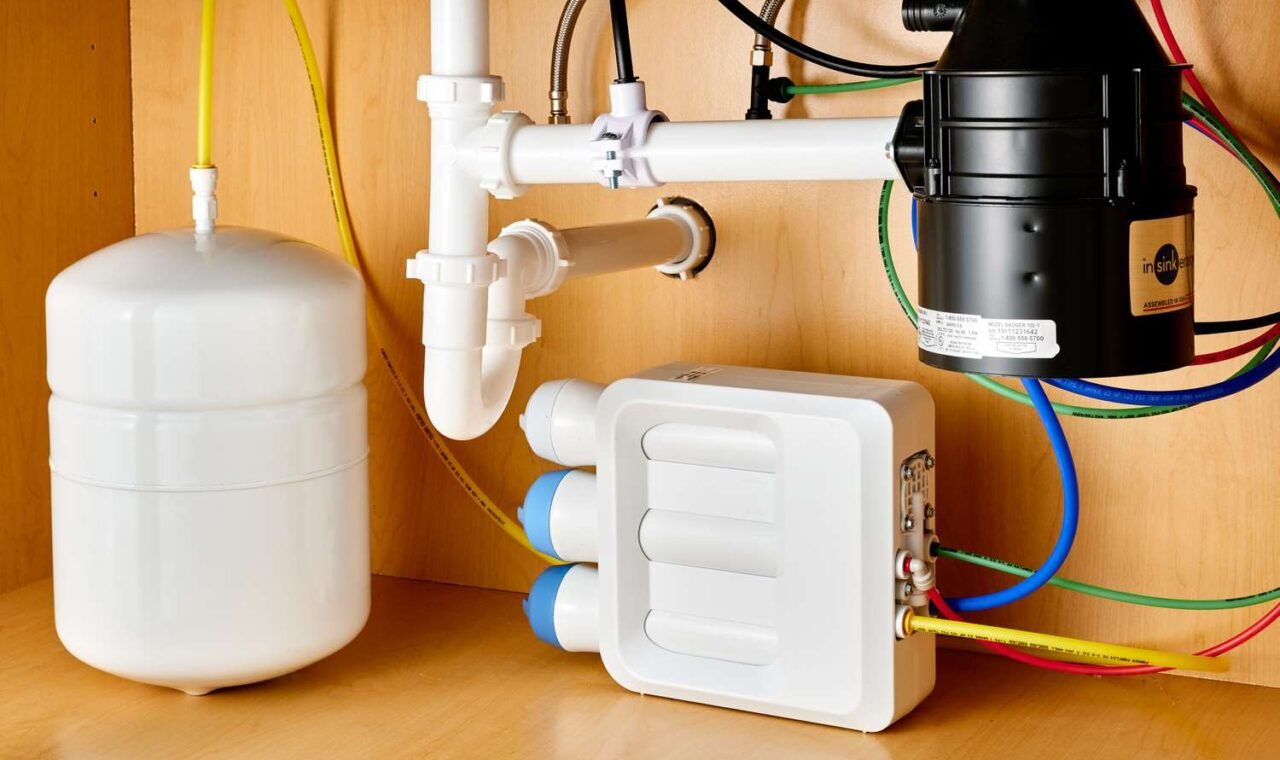
Many homeowners prefer equipment that stays out of sight, which is why placing a system under the kitchen counter has become such a common solution.
This location keeps the main components tucked away while allowing filtered water to be delivered directly to a nearby faucet. The result is a clean, uncluttered kitchen without sacrificing access to better drinking water.
Related analysis: The Little Signs Your Home’s Water Might Be Trying to Tell You Something
Still, it’s important to measure the available space before purchasing a system.
An under-counter cabinet may already be crowded with cleaning supplies, a garbage disposal, plumbing pipes, or other household items. Some systems include storage tanks or multiple filter housings, which can take up more room than expected.
Maintenance should also be part of the planning process. If replacing a filter requires removing half the contents of the cabinet every few months, the setup may become more frustrating than it needs to be.
A good installation leaves enough room to access filters, connections, and shut-off valves comfortably.
When a Basement Installation Makes More Sense
Not every water treatment system needs to live near the kitchen sink.
Related analysis: Why Local Expertise Matters When You’re Choosing a Water Treatment Company
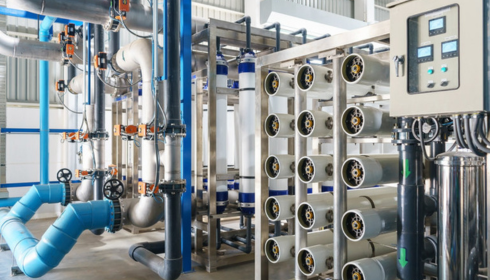
Homes with extra space in the basement may have more flexibility, especially when larger equipment or multiple treatment stages are involved.
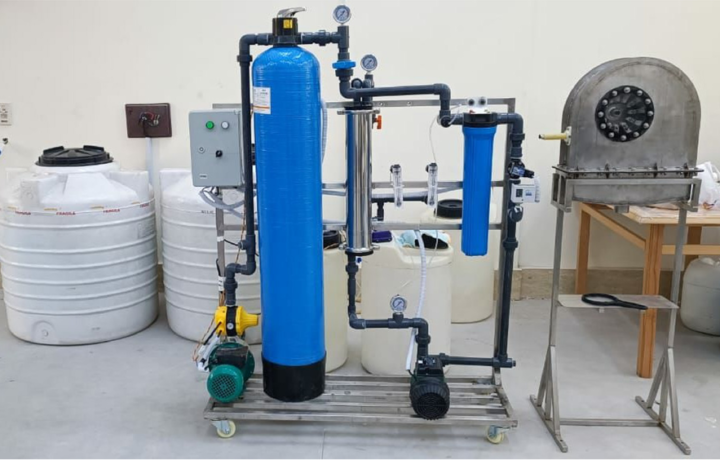
A basement can provide room for storage tanks, larger filtration units, water softeners, or other components that simply won’t fit beneath a kitchen cabinet.
This type of location can also help keep equipment away from the main living space. Instead of opening a kitchen cabinet and seeing filters, tubing, and tanks, everything can be organized in a dedicated utility area.
However, a basement installation may require additional planning.
The system must still connect properly to the home’s plumbing, and the filtered water needs to reach the locations where it will be used. Depending on the setup, this could involve additional tubing, pressure considerations, or other installation requirements.
That doesn’t mean a basement installation is complicated by default. It simply means the home’s plumbing layout should be evaluated before making a decision.
Think About Maintenance Before You Install
This is the part that homeowners sometimes forget.
A filtration system may fit perfectly into a particular space, but can you actually maintain it there?
Filters eventually need replacement. Some systems require periodic cleaning or inspection. Reverse osmosis membranes may need replacement after a certain period. If the equipment is hidden behind furniture, squeezed into a tiny cabinet, or placed somewhere difficult to reach, routine maintenance can become a headache.
And once maintenance becomes inconvenient, it is easier to postpone.
Before installation, imagine yourself changing the filters six months or a year from now. Is there enough room to work? Can you easily reach the shut-off valve? Is there proper lighting? Will you need to move heavy objects out of the way?
These aren’t glamorous questions, but they’re practical ones.
A slightly less convenient installation location that provides excellent maintenance access may be a better long-term choice than the most visually hidden option.
Plumbing and Professional Installation Matter
Water treatment equipment works best when it is installed correctly.
Connections need to be secure, water pressure should be appropriate for the system, and any drain lines or storage components should follow the manufacturer’s requirements. Poor installation can lead to leaks, reduced performance, or unnecessary damage.
For homeowners who are comfortable with plumbing, some systems are designed for relatively straightforward installation. Others, particularly larger or more complex systems, may benefit from professional help.
A professional installer can also evaluate the best location based on the plumbing layout rather than simply choosing the nearest empty space.
This can be particularly valuable in older homes, where plumbing may have been modified several times over the years. Sometimes what looks simple on the surface turns out to have a few surprises behind the walls.
Anyone who has started a “quick weekend project” only to discover three unexpected problems probably understands the feeling.
The Right System Should Fit Your Lifestyle
There is no universal rule that says every drinking water system belongs in one specific location.
A compact unit beneath the kitchen sink may be perfect for one household. Another family may need a larger setup located in a utility room or basement. Some homes may even use a combination of systems, treating water at different points for different purposes.
The decision should be based on practical needs.
Consider the available space, water usage, plumbing access, maintenance requirements, and the type of treatment being used. If possible, test the water first and select equipment that addresses the actual concerns rather than simply buying the most complicated system available.
Once the right equipment has been chosen, finding the right location becomes much easier.
Good Water Treatment Should Feel Effortless
The best home improvements are often the ones that quietly become part of your routine.
You probably don’t think much about your refrigerator when it keeps food cold. You don’t celebrate every time the washing machine finishes a cycle. Water filtration can be the same way.
Once a system is properly installed, maintained, and placed in a practical location, it should simply make better water more convenient.
You fill your glass. Make coffee. Cook dinner. Refill a reusable bottle. Life goes on.
That’s really the goal.
Whether the equipment sits beneath a kitchen cabinet, in a utility space, or somewhere else that suits your home’s layout, the right installation should balance performance with everyday practicality.
After all, the best water treatment system isn’t just the one with impressive features. It’s the one that fits your home, solves the right problem, and continues to work smoothly long after the installation day is forgotten.