There’s a particular kind of confidence that comes from knowing your heating system will work when you need it. On a cold morning, you don’t want to stand in the kitchen wearing three layers, waiting for the house to warm up. You want to turn up the thermostat and get on with your day.
Most of the time, heating equipment quietly does exactly that. It sits in the background, humming away, asking for very little attention. And because it’s easy to forget, many homeowners do. Until the strange noise starts. Or the rooms begin heating unevenly. Or, in the worst-case scenario, the system decides to stop working during the coldest week of the year.
The good news is that heating problems often give warning signs before a complete breakdown happens. Paying attention to those changes, arranging repairs when necessary, and keeping up with routine maintenance can help make a home more comfortable and reduce unnecessary surprises.
Strange Noises Are Worth Investigating
Heating equipment isn’t always completely silent. A system may produce normal operating sounds when it starts or shuts down. But a new or unusual noise deserves a little attention.
Banging, rattling, squealing, repeated clicking, or grinding can indicate that a component is loose, worn, or not functioning as it should. Sometimes the issue is relatively simple. Other times, it may develop into something more serious if the system continues operating under strain.
Related analysis: The Little Signs Your Home’s Water Might Be Trying to Tell You Something
A common mistake is waiting to see if the sound disappears. Occasionally it does, but that doesn’t necessarily mean the underlying problem has been solved. If the noise keeps returning, becomes louder, or appears alongside reduced heating performance, it’s sensible to have the system inspected.
After all, mechanical equipment rarely improves because we politely ignore it.
When Furnace Repair Becomes Necessary
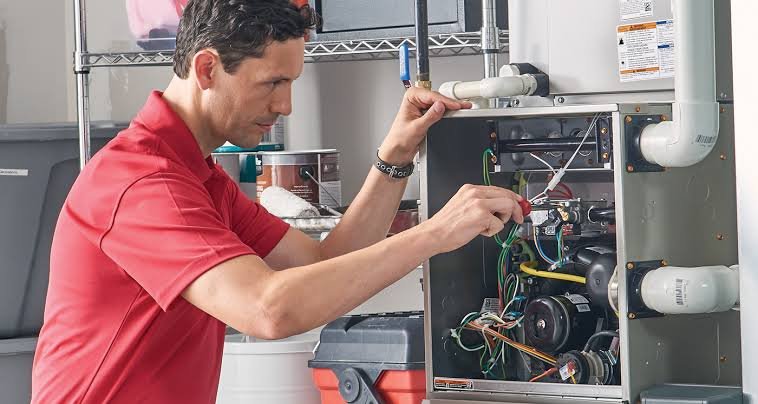
A furnace can experience problems ranging from minor airflow restrictions to worn mechanical or electrical components. Signs that professional furnace repair may be needed include weak airflow, inconsistent temperatures, frequent cycling, unusual noises, or a system that struggles to maintain the thermostat setting.
Before assuming the worst, homeowners can check a few basics. A heavily clogged filter can affect airflow, while blocked vents may prevent heat from circulating properly. Thermostat settings should also be checked.
If those simple steps don’t resolve the problem, professional diagnosis is usually the safer choice. Furnaces can involve electrical systems, fuel connections, combustion components, and other parts that shouldn’t be treated as a casual DIY experiment.
Related analysis: The Water in Your Glass Deserves a Closer Look
A technician can identify the source of the problem and determine whether the repair is straightforward or part of a larger issue. That distinction matters, especially with older equipment that may have experienced repeated failures.
Heat Pumps Have Their Own Set of Warning Signs
Heat pumps can provide efficient heating, but like any mechanical system, they can develop problems over time.
If your system isn’t producing enough warmth, runs continuously, cycles unusually often, or makes unfamiliar sounds, it’s worth investigating. Ice buildup, airflow problems, or sudden changes in performance can also suggest that something needs attention.
Professional heat pump repair can help determine whether the problem involves airflow, controls, electrical components, mechanical wear, or another part of the system. Trying to guess the cause can lead to unnecessary repairs and wasted money.
One useful habit is simply noticing how your home normally feels. If the system usually keeps rooms comfortable but suddenly begins struggling, that change is important. You don’t need technical training to recognize that something is different.
Related analysis: Why Better Water at Home Changes More Than People Expect
Regular Maintenance Is Usually Less Expensive Than a Surprise
Nobody looks forward to another item on the household maintenance list. There are already enough things competing for attention—filters, gutters, appliances, bills, and that drawer everyone keeps promising to organize.
Still, regular heating maintenance is one of those boring tasks that can be worthwhile precisely because it happens before there’s an obvious problem.
A professional service visit may involve inspecting the system, checking important components, evaluating performance, and identifying signs of wear. The exact work depends on the type of equipment, but the goal is generally the same: catch developing issues earlier.
Homeowners can contribute as well. Filters should be checked and changed or cleaned according to manufacturer guidance. Vents and registers should remain open and free from furniture, boxes, or other obstructions.
These small habits may seem insignificant, but heating equipment depends on proper airflow. When airflow is restricted, the entire system may have to work harder.
Related analysis: The Quiet Comfort of a Well-Designed Bathroom
Uneven Heating Can Point to More Than One Problem
One of the most common complaints homeowners have is uneven temperatures. The living room feels comfortable, but the bedroom remains chilly. Or the upstairs is warm while the lower floor never quite catches up.
The heating unit itself may be part of the problem, but it isn’t always the only explanation.
Blocked vents, leaking ductwork, insulation gaps, thermostat placement, and airflow restrictions can all influence how heat moves through a home. That’s why replacing equipment without understanding the overall problem may not solve everything.
A careful inspection can help identify whether the issue involves the heating system, the distribution of warm air, or the home itself.
Sometimes the answer isn’t a massive repair. Sometimes it’s a smaller adjustment that has been overlooked for years.
Related analysis: Why More Homeowners Are Rethinking the Water Flowing Through Their Homes
Repair or Replacement? Take a Step Back
When a heating system needs another repair, homeowners often face a difficult decision. Is it worth fixing, or is it time to replace the equipment?
There isn’t one rule that works for every situation. A relatively new system with an isolated problem may be an excellent candidate for repair. An older system with repeated breakdowns, declining performance, and increasing operating costs may deserve a broader conversation.
Instead of focusing only on today’s repair bill, consider the system’s history. How often has it needed service? Are the same problems returning? Is the home still comfortable? Are energy costs changing without another obvious explanation?
A trustworthy professional should be willing to discuss both options honestly. Replacement can sometimes be the better long-term decision, but it shouldn’t be presented as the only answer without a proper assessment.
A Few Simple Habits Can Protect Your Comfort
Heating systems benefit from attention, but homeowners don’t need to become experts to take sensible care of them.
Listen for unfamiliar sounds. Notice changes in airflow and room temperatures. Check filters regularly. Keep vents clear. Arrange professional service before the system is placed under heavy seasonal demand whenever possible.
It can also be helpful to keep basic records of previous repairs and maintenance. Over time, those notes can reveal patterns and make future decisions easier. If the same component keeps failing, for example, the repair history provides useful context.
And perhaps most importantly, don’t wait for a minor issue to become impossible to ignore.
Reliable Heat Starts With Paying Attention
No heating system is completely immune to wear and tear. Parts age, mechanical components eventually need attention, and unexpected failures can happen even with good maintenance.
But homeowners can reduce a lot of unnecessary stress by paying attention to the early warning signs and acting before a small issue becomes a major inconvenience.
Sometimes the solution is a simple repair. Sometimes routine maintenance restores better performance. And occasionally, an aging system has reached the point where replacement makes more practical sense.
The goal isn’t to worry about every sound coming from the utility room. It’s simply to know what feels normal and notice when something changes.
A warm, comfortable home is built on many small things working together. Taking care of the heating system is one of the less exciting parts of homeownership, sure—but when winter arrives and everything works exactly as it should, you’ll be very glad you didn’t put it off.