Key Takeaways
- Mock trials help California legal teams identify confusing facts, weak themes, and credibility concerns before trial.
- They are diagnostic exercises, not guaranteed predictions of a courtroom verdict.
- A useful simulation begins with a focused research question and balanced case materials.
- Witnesses, visual exhibits, jury instructions, and deliberations can all be tested before a case reaches court.
- The most valuable feedback is often the feedback a trial team did not expect to hear.
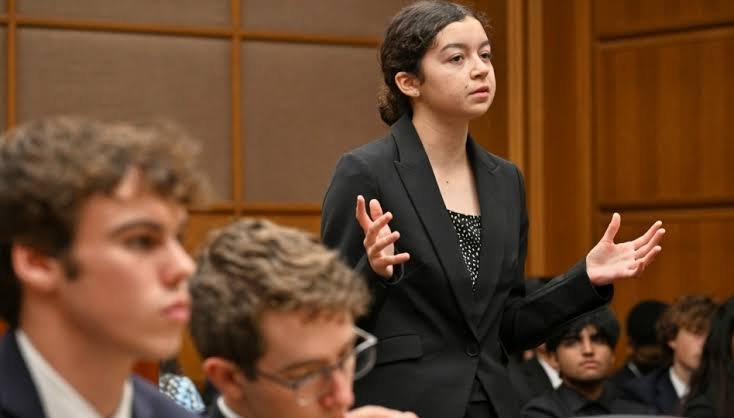
California civil cases can involve complicated timelines, technical experts, high-stakes damages claims, and sharply different versions of the same event. An Experienced Jury Consultant California legal teams work with may use a mock trial to see how everyday people respond to those issues before counsel steps into a courthouse. From Los Angeles and the Bay Area to the Inland Empire and San Diego, jurors bring different experiences and assumptions into the room. A mock trial cannot recreate every condition of a real courtroom, but it can help a legal team understand whether its central story is clear, credible, and easy to remember.
Why California Trial Teams Test Cases Before Court
Lawyers and clients often know a case so well that they may overlook what is unfamiliar or unclear to someone seeing it for the first time. A damages theory may appear straightforward to the trial team, for example, yet mock jurors may struggle to connect medical treatment, lost earnings, or future needs to the evidence presented. Early feedback gives the team time to make practical changes. It may reveal a missing transition in a timeline, an expert explanation that needs simpler language, or a defense argument that deserves a more direct response. The purpose is not to receive praise. It is to find preventable problems while there is still time to address them.
When the status of a disputed exhibit, witness issue, or pending motion is still in process, teams can also identify which parts of their presentation must remain flexible as the case develops.
What a Mock Trial Can Reveal
A well-designed simulation can produce feedback that is difficult to obtain from people already involved in the litigation. Participants may explain which theme they remember, what fact changed their view, and why they found one witness more believable than another.
- Whether the case timeline makes sense without repeated explanation.
- Which facts do participants consider most important?
- Whether technical, medical, financial, or scientific evidence is understandable.
- Which arguments feel supported by evidence and which feel overstated.
- Whether a witness appears prepared, defensive, evasive, or sincere.
- How participants describe each side’s case in their own words.
That last point matters. If mock jurors cannot accurately summarize a party’s position, the presentation may need a clearer theme, simpler organization, or a more direct explanation of the legal theory.
Related analysis: Working for Yourself, But Not Alone: Understanding Legal Rights for Freelancers in India
Mock Trials Are Diagnostic Tools, Not Crystal Balls
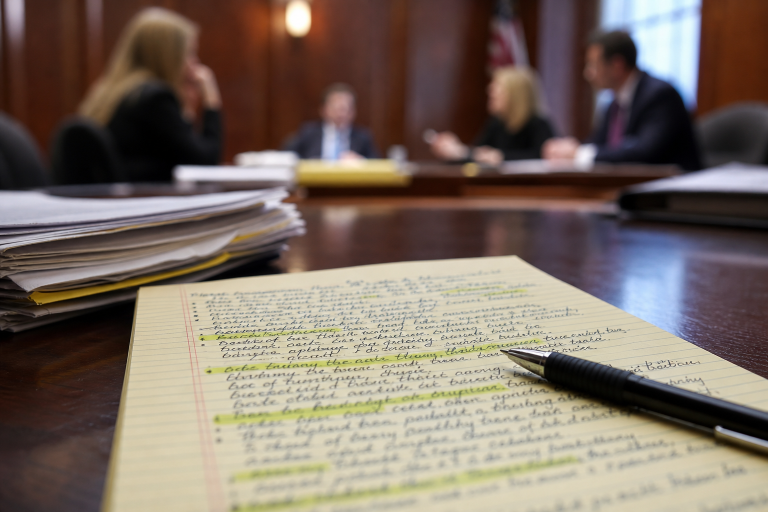
No mock jury can perfectly predict a California verdict. Real trials involve a specific judge, evidentiary rulings, formal instructions, courtroom dynamics, a particular venire, and a trial schedule that may unfold over days or weeks. A simulation usually presents a smaller, more controlled version of those conditions. Its value is therefore diagnostic. Repeated confusion about a key document, skepticism toward an expert, or disagreement about the meaning of a central event may signal a risk worth addressing. It does not establish that a real jury will reach the same conclusion.
Start With a Clear Research Question
A general request for opinions tends to produce general answers. Strong mock-trial research starts by defining what the team needs to learn and what it may change as a result.
- Identify the main issue, such as liability, causation, damages, witness credibility, or settlement risk.
- Write questions before creating the case packet.
- Decide what finding would justify a change in strategy.
- Keep the exercise focused enough to produce usable answers.
Questions Worth Testing
- Do participants understand the sequence of events?
- Which explanation of the injury or loss sounds most credible?
- Can a non-lawyer follow the expert’s reasoning?
- What fact causes participants to favor one side?
- Do participants apply the proposed legal standards as intended?
Build Balanced Materials and Test the Story
Mock jurors need a fair presentation of the claims, defenses, and important evidence. Materials may include concise fact summaries, testimony excerpts, photographs, timelines, charts, and selected documents. They should not include information that a real jury would not be permitted to consider. California teams should also test their presentation against the plain-language approach reflected in the state’s civil jury instructions. Legal accuracy is essential, but a theory must also be understandable to people who have not spent months studying the case. Evidence is more persuasive when jurors can place it within a coherent story. The case should have a clear beginning, middle, and end, while also accounting for harmful facts rather than pretending they do not exist. Asking participants to retell each side’s story can expose gaps between what counsel intends and what the audience actually hears.
Recruit Participants Carefully
Participant quality matters more than simply gathering a large group. When practical, a team may seek people whose backgrounds broadly resemble the likely local jury pool while screening out conflicts of interest, direct connections to the dispute, and people who cannot fairly engage with the materials. Demographics alone do not determine a verdict. Personal experiences and attitudes can shape first impressions, but clear evidence, credible witnesses, and understandable explanations remain central to how participants evaluate a case.
Prepare Witnesses and Demonstrative Evidence
Witness preparation should involve more than rehearsing questions and answers. A mock setting can reveal whether a witness uses jargon, gives overly long responses, becomes defensive under pressure, or seems uncertain about dates and details. Teams can compare the witness’s intended message with what participants remember after the presentation. Visual evidence deserves the same scrutiny. Timelines, maps, medical illustrations, animations, spreadsheets, and photographs should clarify rather than overwhelm. A useful test is to ask participants to explain a visual without assistance. If they cannot do so, the exhibit may need to be simplified or may not support the argument.
Related analysis: The Fine Print Is Changing: How AI Is Quietly Rewriting Legal Work
Learn From Deliberations and Feedback
Individual reactions are important, but deliberation can show which arguments survive group discussion. Teams can observe how opinions change, what facts participants repeat, how they deal with conflicting testimony, and whether one person redirects the conversation around a point the lawyers had underestimated. Afterward, group feedback by theme, witness, exhibit, legal instruction, and emotional reaction. Repeated concerns generally deserve closer attention than a single isolated comment. The team can then decide whether to revise an opening, reorganize evidence, prepare a witness differently, or run a second simulation after significant changes.
Common Mistakes to Avoid
- Seeking confirmation rather than candid criticism.
- Overloading participants with more material than they can reasonably process.
- Using inconsistent facts or changing the presentation during the study.
- Ignoring negative reactions because they conflict with the team’s view of the case.
- Treating a strong opinion from a small group as proof of a likely verdict.
- Using polished graphics that look impressive but do not make the evidence clearer.
Technology and the Trial Simulation
Remote sessions, recorded testimony, digital exhibits, and online questionnaires can make research more flexible. They can also affect attention, pacing, and group discussion. When possible, the testing format should resemble the format participants are likely to encounter at trial. Technology can organize feedback efficiently, but it should not replace careful human review of what participants actually said and why.
Conclusion
For California legal teams, mock trials are most useful when they are treated as honest learning exercises rather than simple rehearsals for a courtroom victory. They can uncover confusion, sharpen a case theme, improve witness communication, and show whether evidence tells a story that ordinary people can follow. A mock trial can also reveal which arguments feel persuasive, which details may create doubt, and where jurors may have questions that the legal team has not fully considered. This process allows attorneys to refine their presentation, anticipate potential weaknesses, and evaluate how clearly witnesses explain important facts. The goal is not to forecast a verdict with certainty, since real jurors, evidence, courtroom dynamics, and opposing arguments can produce different outcomes. Instead, it is to enter court better prepared for the questions, doubts, and reactions a real jury may bring, while approaching the case with greater clarity, confidence, and adaptability.