There was a time when drafting a contract meant hours—sometimes days—of careful typing, cross-checking clauses, revisiting old templates, and, if we’re being honest, a fair bit of copying and tweaking.
Not glamorous work, but important.
Now, something subtle is shifting in that world. Lawyers aren’t just writing contracts anymore. They’re reviewing, refining, and sometimes… supervising software that does the first draft.
It sounds futuristic, but it’s already happening.
From Blank Pages to Smart Drafts
The most noticeable change is speed.
Related analysis: Testing Case Themes Through Mock Trials: A Guide for California Legal Teams
AI tools can generate contract drafts in minutes. You input key details—names, terms, conditions—and the system produces a structured document that looks surprisingly complete. Not perfect, but far from rough.
For routine agreements—NDAs, service contracts, employment terms—this kind of automation saves a lot of time.
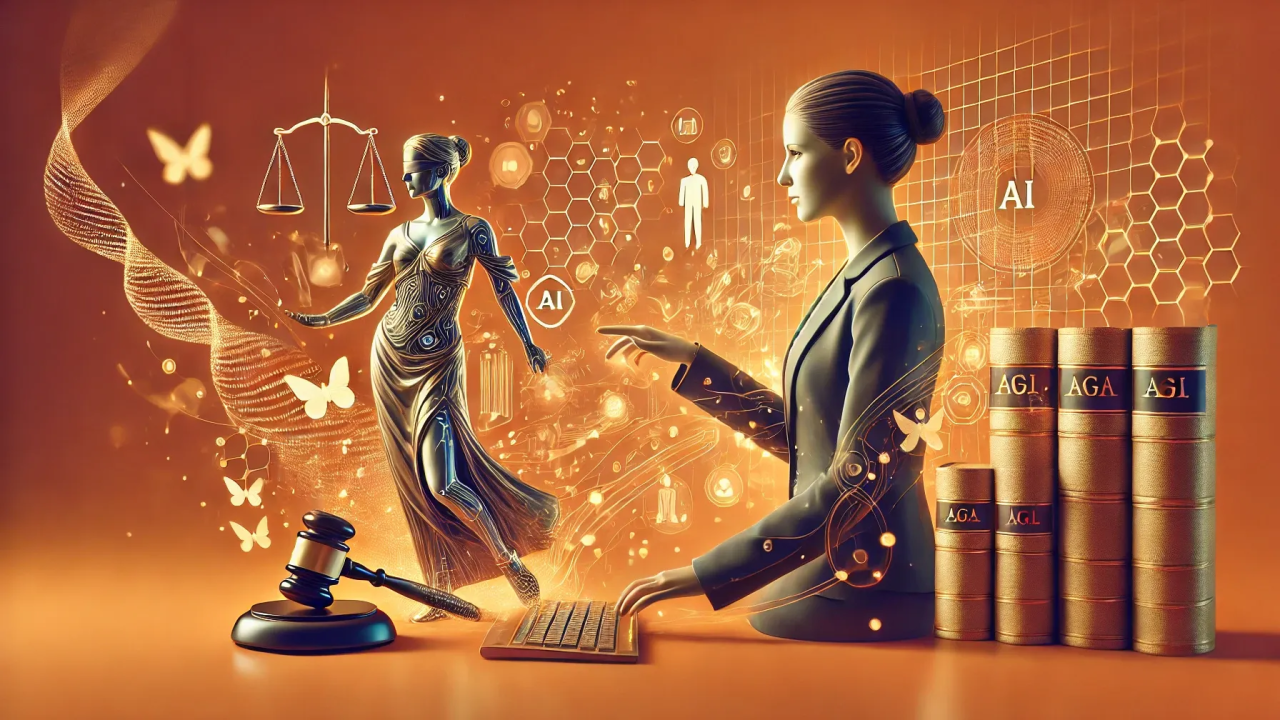
That’s where AI-Generated Contracts: Legal field me automation ka impact starts to feel real. It’s not about replacing lawyers; it’s about changing how they spend their time.
Instead of building documents from scratch, they’re focusing more on reviewing and tailoring.
Efficiency Is the Obvious Win
Let’s be honest—legal work often involves repetition.
Related analysis: Working for Yourself, But Not Alone: Understanding Legal Rights for Freelancers in India
Similar clauses appear across multiple documents. Standard terms get reused with minor variations. It’s necessary, but it can be tedious.
AI handles that repetition well.
By automating the initial drafting process, firms can handle more work without increasing workload proportionally. Turnaround times shrink. Clients get faster responses.
And in a world where speed often equals value, that matters.
But It’s Not Just About Speed
There’s another layer to this—consistency.
Related analysis: Screenshots, Chats, and CCTV: How Much Can We Really Trust Digital Evidence?
AI-generated drafts tend to follow structured patterns. They don’t forget clauses, skip sections, or lose track of formatting. In that sense, they reduce certain kinds of human error.
But—and this is important—they don’t “understand” context the way humans do.
A contract isn’t just a collection of clauses. It’s a reflection of a specific situation, with nuances that aren’t always obvious. That’s where human judgment still plays a critical role.
The Role of Lawyers Is Evolving
If you talk to legal professionals, many will tell you the same thing: their role is shifting.
Less time spent drafting from scratch. More time spent analysing, advising, negotiating.
It’s a subtle but significant change.
AI becomes a tool—like a calculator for numbers or a spreadsheet for data. It handles the groundwork, but the interpretation, the strategy, the decision-making… that still rests with people.
And honestly, that’s probably how it should be.
Concerns That Can’t Be Ignored
Of course, not everyone is fully comfortable with this shift.
There are valid concerns.
Confidentiality is one. Feeding sensitive legal information into AI systems raises questions about data security. Then there’s accuracy—what if the AI generates something slightly off, and it goes unnoticed?
Even small errors in legal documents can have big consequences.
That’s why most professionals see AI as an assistant, not an authority. It helps, but it doesn’t replace the need for careful review.
Accessibility: A Double-Edged Sword
One interesting outcome of AI-generated contracts is accessibility.
Small businesses, startups, even individuals can now create basic legal documents without immediately hiring a lawyer. That lowers barriers, makes legal processes more approachable.
But it also comes with risks.
Without proper guidance, people might rely too heavily on automated drafts without fully understanding them. A contract that “looks right” isn’t always legally sound.
So while access improves, the need for awareness becomes even more important.
The Human Element Still Matters
Here’s something worth remembering: law isn’t just about documents.
It’s about interpretation, negotiation, relationships, and sometimes, intuition. It’s about understanding what’s written—and what’s not.
AI can assist with structure, language, and speed. But it doesn’t sit across the table during a negotiation. It doesn’t sense hesitation or read between the lines.
That human layer isn’t going away anytime soon.
Where This Is Heading
It’s unlikely that AI will completely take over legal drafting. But it will continue to integrate deeper into the process.
More advanced tools, better accuracy, improved customisation—these are all on the horizon.
Law firms that adapt will likely become more efficient. Those that resist may find themselves slower, less competitive.
But adaptation doesn’t mean abandoning traditional practices. It means blending them with new tools.
Final Thoughts
The rise of AI in legal work isn’t loud or dramatic. It’s gradual, almost quiet.
One tool here, one workflow there. Small changes that add up over time.
And maybe that’s why it feels less like disruption and more like evolution.
Contracts are still being written. Lawyers are still essential. The only difference is how the work begins—and how it flows from there.
In the end, the goal hasn’t changed: clarity, protection, fairness.
AI is just becoming another way to get there.