

There’s a quiet shift happening in wardrobes these days. Not loud, not dramatic—just subtle. You see it when someone repeats an outfit without apologising, or when they pause before buying yet another trendy piece they’ll wear twice and forget.
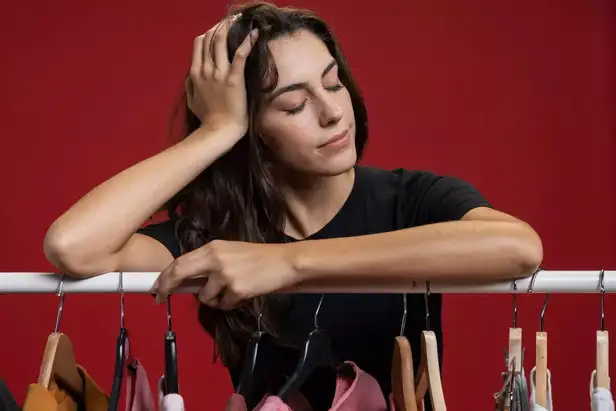
For years, fashion moved at a dizzying pace. New styles every week, discounts everywhere, carts filled without much thought. It felt exciting… until it didn’t. Until closets got crowded and still somehow felt empty.
That’s where a different idea has started to slip in. Not as a rebellion, but more like a correction.
The Problem We Didn’t Notice at First
Fast fashion was convenient. Cheap, accessible, always up-to-date. You could reinvent your style every month if you wanted to.
But behind that convenience, there’s a cost—one that doesn’t show up on the price tag. Poor fabric quality, clothes losing shape after a few washes, and a growing pile of items that quietly become “home wear.”
And then there’s the environmental side. Excess production, waste, resources used faster than they can be replenished. It’s not something most people think about while shopping, but it’s there.
Over time, that cycle starts to feel… unsatisfying.
What Slow Fashion Actually Feels Like
Slow fashion isn’t about rejecting style or becoming overly minimalist. It’s about being a little more intentional.
Buying fewer pieces, but choosing better ones. Paying attention to fabric, stitching, fit. Thinking about whether you’ll still like something six months from now—not just next weekend.
That’s why Slow Fashion Movement: Fast fashion ka alternative resonates with so many people today. It doesn’t demand perfection. It just asks you to slow down and think before you buy.
And surprisingly, that small pause changes everything.
Quality Over Quantity (But It’s Not Always Easy)
Here’s the catch—good quality often costs more upfront.
And that can feel uncomfortable, especially when you’re used to grabbing multiple items for the same price. It takes a mindset shift to buy one well-made shirt instead of three average ones.
But over time, it balances out.
Clothes last longer. They fit better. You reach for them more often. There’s less clutter, fewer regrets. And somehow, getting dressed becomes easier—not harder.
Still, it’s not about throwing away your current wardrobe and starting fresh. That would defeat the purpose. It’s more about changing how you shop moving forward.
The Emotional Side of Clothing
Clothes aren’t just functional. They carry memories.
A jacket you wore on a trip. A kurta from a family function. A pair of jeans that just feels right, no matter what.
Slow fashion leans into that idea. It encourages you to build a wardrobe that feels personal, not disposable.
When you stop treating clothes as temporary, you start valuing them differently. You repair instead of replace. You style the same piece in new ways. You get creative.
It’s less about chasing trends, more about building something that lasts.
Small Changes That Actually Work
You don’t have to go all-in overnight. In fact, that rarely works.
Start small.
Maybe you check fabric labels before buying. Or ask yourself, “Will I wear this at least 20 times?” Maybe you skip one impulse purchase this month and see how it feels.
Even reusing what you already have—mixing outfits differently, altering older clothes—counts.
Slow fashion isn’t rigid. It’s flexible, personal, evolving.
The Influence of Social Media (For Better or Worse)
Interestingly, the same platforms that pushed fast fashion are now supporting its alternative.
You’ll find creators talking about capsule wardrobes, outfit repeating, mindful shopping. There’s a growing appreciation for authenticity over constant newness.
But there’s also a risk—turning slow fashion into another aesthetic trend rather than a genuine mindset shift.
At its core, it’s not about looking a certain way. It’s about thinking differently.
Is This Just a Trend?
That’s a fair question.
Fashion has always been cyclical. What’s popular today might fade tomorrow. But this shift feels a bit deeper.
It’s tied to awareness—about sustainability, about consumption, about personal values. And those things don’t disappear overnight.
People are starting to realise that more isn’t always better. That sometimes, less—done well—feels richer.
Final Thoughts
You don’t have to give up fast fashion completely to embrace slow fashion. Life isn’t that black and white.
But even a slight shift in how you approach clothing can make a difference.
Buy a little less. Choose a little better. Wear what you already have with more intention.
Because in the end, style isn’t about how often you change your wardrobe.
It’s about how comfortably you live in it.

