

There’s something interesting about the way people adapt to small household frustrations. A faucet develops white mineral stains, towels feel a little rough after washing, dishes come out of the dishwasher cloudy, and somehow everyone just accepts it as normal.
Until they experience the difference softer, cleaner water can make.
Water quality tends to fall into that category of “invisible home issues” most people ignore for years. Unlike a broken appliance or a leaking pipe, poor water quality doesn’t always create dramatic emergencies. Instead, it slowly affects daily life in subtle, annoying ways that gradually add up over time.
And honestly, many homeowners don’t fully realize how much their water impacts their home until they start paying closer attention.
Why Water Quality Matters More Than People Think
When people think about home comfort, they usually picture things like lighting, furniture, or renovation projects. But water touches almost every part of daily life. Showers, laundry, cooking, dishwashing, cleaning — it’s involved in routines we repeat constantly without really thinking about it.
That’s why hard water can quietly create problems throughout an entire home. Minerals like calcium and magnesium naturally occur in many water supplies, and while they’re not necessarily harmful to health, they can absolutely affect plumbing systems, appliances, and household surfaces over time.
Soap becomes harder to rinse away properly. Water spots appear constantly on glass and metal fixtures. Appliances work harder than they should because mineral buildup slowly accumulates inside them.
The frustrating part is how gradual the process feels. People adapt to these small inconveniences little by little until they stop noticing them altogether.
The Signs Often Start Small
Most homeowners don’t wake up one morning suddenly deciding they need water treatment solutions. Usually, it begins with repeated frustrations that slowly become impossible to ignore.
Dry skin after showers. Laundry that never feels completely soft. Shampoo that seems harder to rinse out. A dishwasher leaving spots on glasses no matter how carefully it’s loaded.
Then there’s the plumbing side of things. Mineral deposits slowly collect around faucets and showerheads. Water heaters lose efficiency. Pipes experience additional stress from scale buildup over time.
These issues rarely seem urgent individually, but together they affect both comfort and long-term maintenance costs.
And honestly, once people experience improved water quality, they often realize how much they had been tolerating before.
Maintenance Isn’t Glamorous, But It Makes a Difference
A lot of homeowners install water softeners or filtration systems expecting them to operate perfectly forever without any attention. But like any household system, they work best when maintained properly.
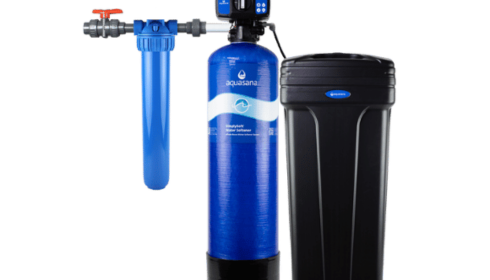
Regular water softener maintenance helps ensure systems continue operating efficiently over time. Salt levels need checking, resin tanks occasionally require cleaning, and system settings may need adjustments depending on water usage or seasonal changes.
Neglected systems sometimes stop functioning properly without homeowners realizing it immediately. Hard water symptoms slowly return, appliances begin collecting buildup again, and utility efficiency gradually decreases.
The tricky part is that these changes happen slowly enough that people often blame other things first.
Good maintenance may not feel exciting, but it quietly protects the investment homeowners already made in improving water quality.
Water Treatment Has Become More Advanced
Years ago, many people thought water treatment systems were only necessary in extreme cases. Today, awareness around water quality has changed significantly.
Modern water treatment systems do far more than simply soften water. Some address chlorine levels, sediment, odors, bacteria, or other contaminants depending on local water conditions. Technology has improved a lot too. Many newer systems are more efficient, compact, and easier to manage than older equipment people may remember from decades ago.
And honestly, homeowners are becoming more proactive about water quality because they’ve seen how it affects appliance lifespan, plumbing efficiency, and even overall comfort inside the home.
People also care more about long-term operating costs now. Appliances forced to work harder because of mineral buildup generally consume more energy and wear out faster. Better water quality often helps reduce those issues quietly over time.
Soft Water Changes Daily Routines in Subtle Ways
One thing people often misunderstand about water softeners is expecting dramatic, overnight transformation. In reality, the improvements usually show up in small everyday moments.
Soap lathers more easily. Towels feel softer. Shower doors stay cleaner longer. Skin feels less dry after bathing. Hair becomes easier to manage. Even simple cleaning tasks often require less effort because surfaces don’t collect mineral residue as quickly.
None of those things sound life-changing individually. But together, they create a noticeable difference in how a home feels and functions daily.
And oddly enough, once homeowners get used to softened water, visiting places with untreated hard water suddenly feels very obvious.
Water Quality Quietly Affects Appliance Lifespan
One of the less visible benefits of good water quality is reduced wear on household systems. Water heaters, dishwashers, washing machines, coffee makers, and plumbing fixtures all perform better when mineral buildup stays under control.
Hard water scale inside appliances forces systems to work harder, which increases energy usage and shortens equipment lifespan gradually over time.
That’s part of why water treatment is often viewed less as a luxury now and more as preventative home care. Homeowners aren’t only improving comfort — they’re protecting expensive systems from unnecessary stress.
And honestly, preventing appliance replacement usually feels a lot better than dealing with sudden failures later.
Comfort Often Comes From the Things We Barely Notice
The funny thing about home comfort is that the most important systems are often the least visible ones. Clean water, steady pressure, functioning plumbing — these things quietly shape everyday life without demanding attention.
Until something feels wrong.
Water quality works the same way. Most people don’t think much about it until they start noticing the effects throughout the house. And once improvements are made, life simply feels a little easier in ways that are hard to explain but surprisingly easy to appreciate.
At the end of the day, the goal of good home maintenance isn’t perfection. It’s creating a home that works smoothly, comfortably, and reliably without constant frustration.
And honestly, cleaner, softer water plays a bigger role in that than many people realize.

