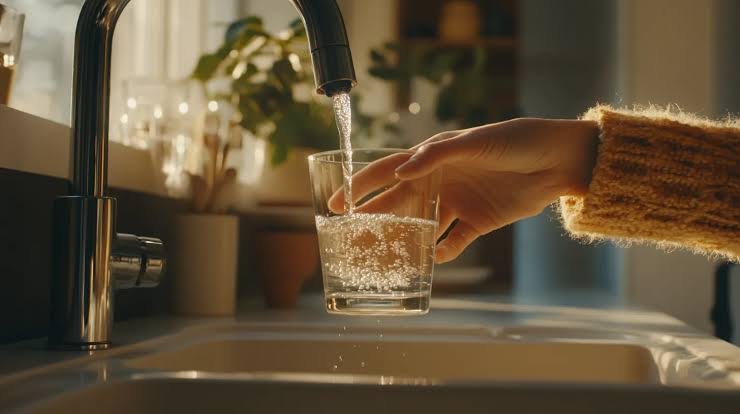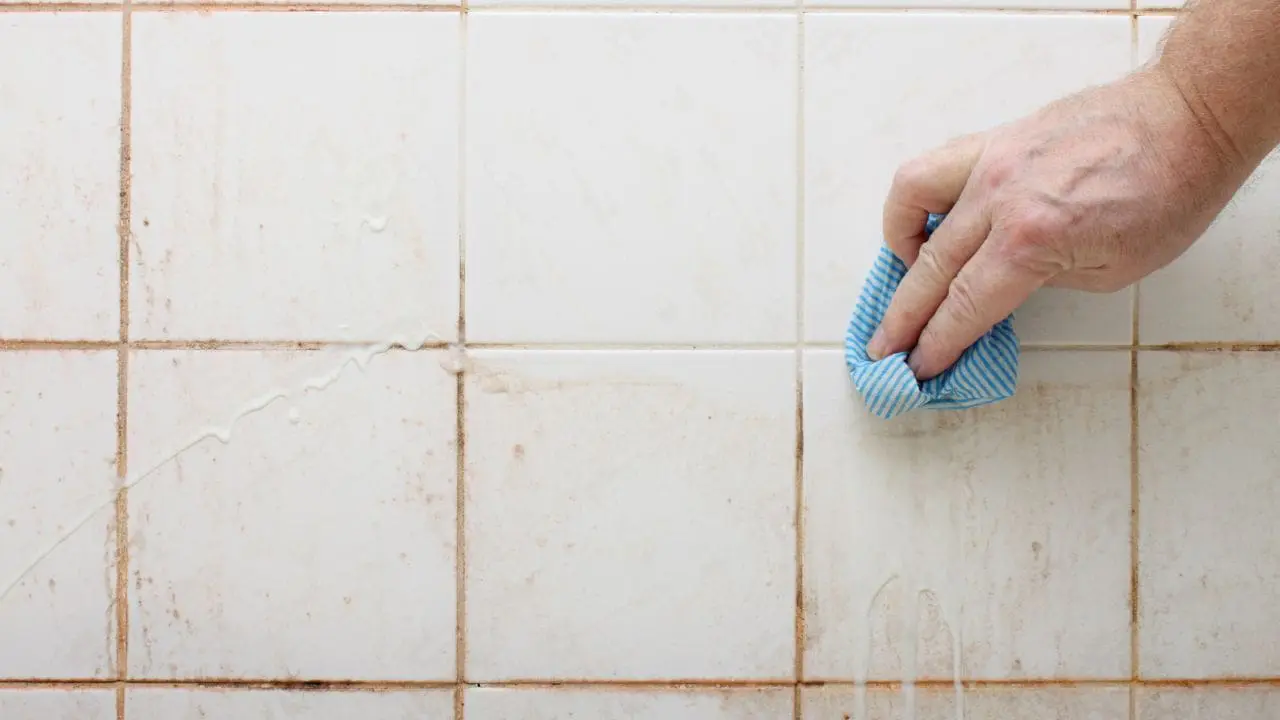
Water has a way of speaking without making much noise. It leaves a cloudy ring on a glass. It stains a sink a little orange. It gives your shower a faint swimming-pool smell. Nothing too dramatic at first, just small clues scattered through the day.
Most people ignore those signs for a while. Fair enough. Life is busy, and water problems don’t always feel urgent. But the quality of water moving through a home affects more than taste. It touches appliances, plumbing, laundry, bathing, cooking, and even how much time you spend scrubbing fixtures that never seem to stay clean.
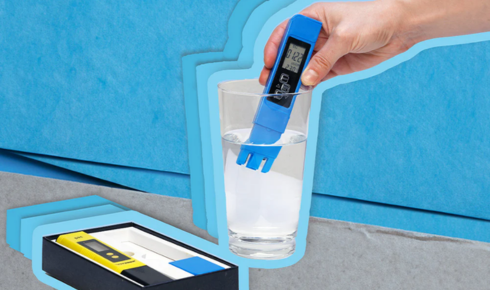
That’s why understanding what is actually in your water matters. Not guessing. Not buying the first filter that looks promising. Actually testing the water and reading the results with a little care.
Why Water Testing Is the Best First Step
Every water source is different. City water usually goes through treatment before reaching your home, but it can still carry minerals, disinfectant taste, or particles from older pipes. Well water, on the other hand, depends heavily on the ground around it, the depth of the well, and local conditions.
A good water test can reveal the details you can’t always see. It may show mineral content, possible metals, chlorine presence, pH balance, sediment, or other concerns. Once you know what you’re dealing with, choosing the right treatment becomes much easier.
Related analysis: How Better Water Quietly Improves the Comfort of Your Home
Without testing, water treatment is mostly a guessing game. And guessing can get expensive.
The Trouble With Hard Water
Hard water is one of the most common issues in homes. It happens when water carries higher amounts of minerals, mainly calcium and magnesium. These minerals are natural, but they can be annoying in everyday life.
You may notice soap that doesn’t lather well, shampoo that leaves hair feeling heavy, or white buildup around faucets and showerheads. Dishes might come out spotted, even when the dishwasher is working fine.
Checking hardness levels helps homeowners understand whether mineral buildup is the real cause behind these problems. If hardness is high, a properly chosen softening or conditioning solution can make daily cleaning easier and help protect appliances from scale over time.
The difference may feel small at first. Then one day you realize the shower glass isn’t turning cloudy so quickly, and the towels feel a bit better. That’s when it clicks.
Related analysis: Creating a More Comfortable Home Starts with Better Water Systems
When Stains Point to Minerals
Not every stain is from hard water. Orange, brown, or black marks can sometimes point to metals in the water supply. These stains may appear in sinks, toilets, tubs, laundry, or around outdoor fixtures.
Water containing iron and manganese can create discoloration, metallic taste, or buildup that becomes frustrating to clean. Well water users often notice these issues more, though they can appear in other situations too.
The right treatment depends on the form and amount present. Some systems use filtration, oxidation, or other methods to reduce these minerals before they spread through the property. Again, testing matters because stains alone don’t always tell the whole story.
Why Water Smells Like Chlorine
Many people describe their tap water as smelling “chemical” or tasting a bit like pool water. In many cases, that comes from disinfectants used in municipal water treatment. Chlorine helps control harmful organisms before water reaches homes, but the taste and smell can still bother people.
Measuring chlorine levels can help determine whether a filtration system may improve drinking water, shower comfort, or the overall freshness of household water. Carbon filtration is commonly used for reducing chlorine taste and odor, especially where people want water that feels cleaner and more pleasant.
Related analysis: Why Those Orange Stains Around Your Home Might Be Telling You More Than You Think
It’s not just about drinking, either. Chlorine odor can show up in showers, cooking, ice, tea, and coffee. When that taste fades, everyday water suddenly feels less harsh.
Better Water Helps the Whole Home
The biggest mistake people make is thinking water quality only matters at the kitchen sink. In reality, water runs through nearly everything.
It fills the washing machine. It heats inside the water heater. It sprays through showerheads. It moves through pipes, dishwashers, toilets, coffee makers, and outdoor taps. So when water carries minerals, metals, or strong odors, the effects spread widely.
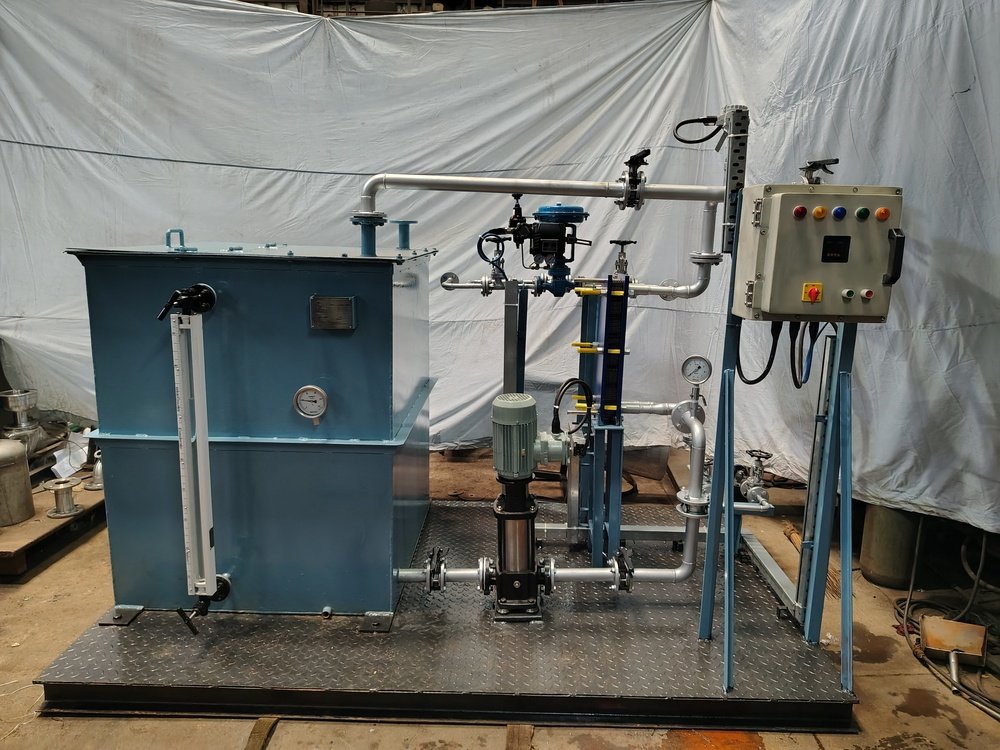
A good treatment plan looks at the full picture. Maybe the home needs a softener. Maybe it needs sediment filtration. Maybe drinking water needs a separate solution. Sometimes a combination works best.
The goal is not to overcomplicate things. It is to match the solution to the actual problem.
Related analysis: When Hard Water Starts Leaving Its Mark at Home
Small Signs, Smarter Decisions
If your water leaves stains, smells strange, tastes unpleasant, or makes cleaning harder than it should be, don’t ignore it forever. Those signs are useful. They are little hints that something in the water deserves attention.
Start with testing. Review the results. Choose equipment based on facts, not frustration.
Good water does not need to feel fancy. It just needs to work well for the way you live. When it does, showers feel better, glasses look clearer, laundry feels fresher, and the house quietly becomes easier to care for. Sometimes the best home improvements are the ones you barely notice after they start doing their job.