Water is one of those things we use all day without thinking much about it. Morning coffee, a glass beside the bed, pasta boiling on the stove, kids filling bottles before school — it’s always there, quietly doing its job. But when the water tastes odd, smells a little off, or leaves you wondering what’s actually coming from the tap, you start noticing it a lot more.
Many homeowners don’t think about water quality until something feels wrong. Maybe the drinking water has a chlorine-like taste. Maybe ice cubes carry a strange smell. Or maybe the water is technically “safe,” but not exactly pleasant. That gap between safe and enjoyable is where a good water filtration or treatment system can make a real difference.
Why Taste Matters More Than People Admit
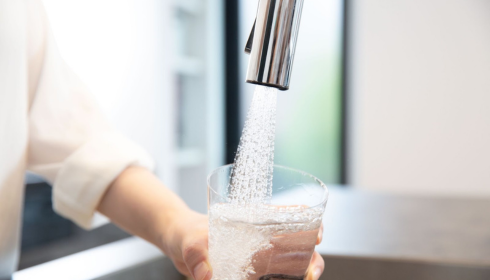
Taste is not just about being picky. If your tap water doesn’t taste good, you’re less likely to drink enough of it. People start buying bottled water, stacking plastic cases in the garage, or relying on sugary drinks because plain water feels unappealing. It becomes a habit before anyone really notices.
A properly selected filtration system can help create better tasting water by reducing common causes of unpleasant flavour, such as chlorine, sediment, or certain dissolved substances. The result is water that feels easier to drink, cook with, and serve to guests without second guessing it.
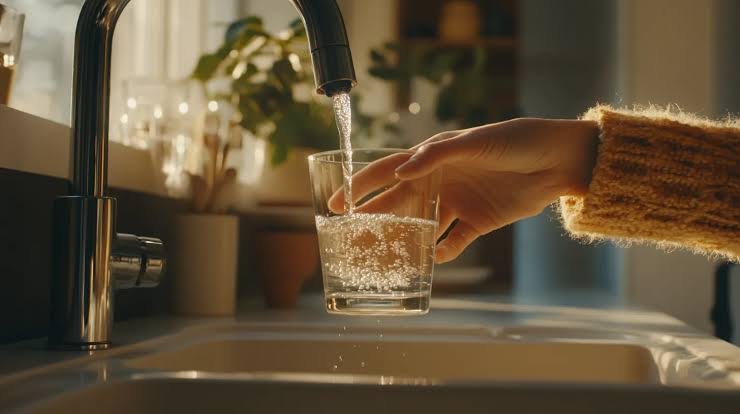
Even small improvements can change daily routines. Coffee may taste cleaner. Soup stock may feel fresher. A plain glass of water from the tap might finally be something you reach for without hesitation.
Related analysis: Why Better-Tasting Water Changes More About a Home Than People Expect
What Might Be Hiding in Tap Water?
Water can pick up different substances before it reaches your home. Some come from the source water itself, while others may enter through old pipes, treatment chemicals, or local distribution systems. This doesn’t always mean the water is unsafe, but it does mean it may carry things you’d rather reduce.
Depending on the area, homeowners may be concerned about chlorine, chloramines, sediment, lead, volatile organic compounds, pesticides, or other unwanted materials. Well water can bring its own set of concerns, including iron, sulphur smells, hardness, or bacteria if not properly maintained.
That’s why contaminant reduction is such an important part of modern water treatment. A good system is not chosen by guesswork. It should match the actual water conditions in the home. What works for one family across town may not be the right fit for another.
Clear Water Is Not Always the Whole Story
One tricky thing about water is that it can look perfectly fine and still have issues. Clear water may still taste chemical. It may still contain dissolved substances. It may still leave residue in appliances or affect how food and drinks taste.
This is why testing matters. A basic water test can reveal what your eyes cannot. It gives homeowners a better understanding of hardness levels, chlorine presence, pH balance, dissolved solids, and possible contaminants. Once you know what’s in the water, choosing the right treatment becomes much easier.
Related analysis: Creating a More Comfortable Home Starts with Better Water Systems
Everyday Benefits Around the House
Cleaner drinking water is usually the main reason people look into filtration, but the benefits often go beyond the glass. Treated water can improve cooking, reduce unpleasant smells, help protect certain appliances, and make daily use more pleasant.
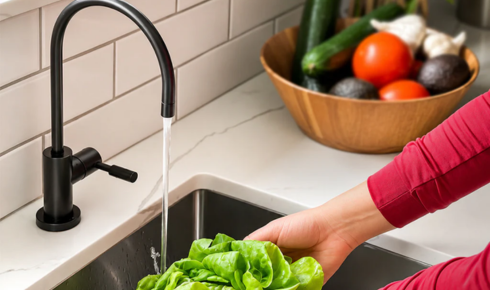
With the right setup, families can enjoy cleaner water from the tap instead of depending so heavily on bottled water. That can save storage space, reduce plastic waste, and make hydration more convenient. There’s something quietly satisfying about filling a bottle at the kitchen sink and trusting what’s going into it.
For households with children, pets, or elderly family members, that peace of mind matters even more. It’s not about fear. It’s about comfort and confidence.
Choosing the Right Water System
There are many types of water treatment systems, and this is where people can get overwhelmed. Pitcher filters, under-sink systems, whole-home filtration, reverse osmosis units, carbon filters, UV systems — the list gets long fast.
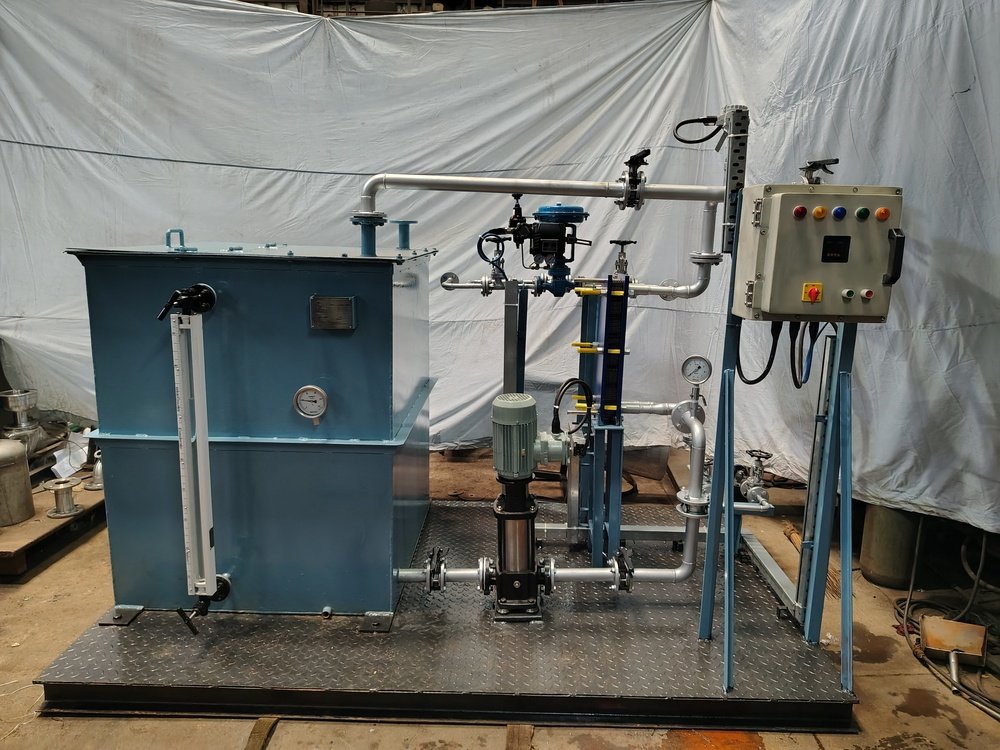
The best choice depends on the water problem. A carbon filter may help with chlorine taste and odour. Reverse osmosis may be better for reducing a wider range of dissolved substances. UV treatment may be used for certain bacteria concerns, especially with private wells. Whole-home systems can treat water before it reaches showers, laundry, and appliances.
Related analysis: How Better Water Quietly Improves the Comfort of Your Home
A professional water assessment can help avoid wasting money on the wrong product. Instead of buying whatever looks popular online, homeowners can choose a system based on real water conditions.
A Better Habit Starts at the Tap
Good water has a way of changing small habits. You drink more of it. You cook with it more confidently. You stop dragging bottled water home from the store every week. The kitchen feels a little more reliable, a little more comfortable.
Water treatment is not always a flashy home upgrade. Guests may not notice it the way they notice new countertops or fresh paint. But your family notices it every day — in the taste of tea, the clarity of ice, the smell of water from the tap, and the simple ease of filling a glass.
In the end, improving home water quality is really about making ordinary life better. Not perfect, not fancy, just better in a way that quietly matters.