Hard water has a funny way of making everyday chores feel harder than they should. It doesn’t usually create one big disaster right away. Instead, it leaves little clues all over the house. The shower door gets cloudy again. The kettle has a white crust at the bottom. Towels come out of the wash feeling a bit scratchy. The kitchen faucet looks dull no matter how often someone wipes it down.
At first, most people treat these things as normal cleaning problems. Buy a stronger cleaner. Scrub a little harder. Run the dishwasher again. But when the same marks and buildup keep returning, the issue may not be your cleaning routine at all. It may be the water.
Hard water contains minerals, mainly calcium and magnesium, that travel through the plumbing and leave residue behind. These minerals are not always harmful to drink, but they can be frustrating for a home. Over time, they affect fixtures, appliances, laundry, plumbing, and even how your skin and hair feel after a shower.
The Real Problem Behind Hard Water
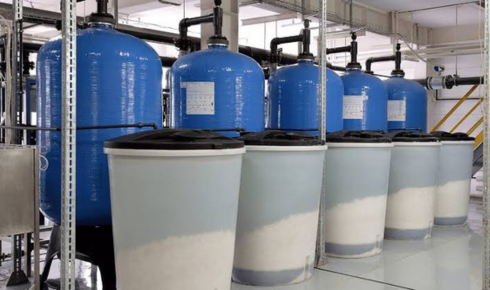
A high efficiency water softener is designed to reduce the hardness in water before it spreads through the home. Instead of letting heavy mineral content reach every faucet, shower, and appliance, the system treats the water earlier in the process. That can make a noticeable difference in daily life.
Softened water tends to work better with soap and detergent. Showers feel cleaner. Laundry feels softer. Dishes come out clearer. And, honestly, the house just becomes easier to maintain. You’re not fighting the same chalky spots every other day.
Related analysis: Better Water Makes a Home Feel Better in Small, Everyday Ways
Efficiency also matters. Older or poorly matched systems may use more salt and water than needed. A newer, properly sized system can often do the job with less waste, which is better for the homeowner and easier on the system itself.
Why Mineral Buildup Keeps Coming Back
One of the most annoying parts of hard water is how persistent it is. You clean a faucet, and a few days later the white film returns. You wipe shower glass, and the cloudy layer slowly creeps back. That is because the source of the problem has not changed.
This is where mineral removal becomes important. If minerals are reduced before the water reaches surfaces and appliances, there is less residue left behind after the water dries. It’s not magic, and it doesn’t mean you’ll never clean again, unfortunately. But it can make cleaning feel much less like a losing battle.
Bathroom fixtures often show the biggest difference. Chrome looks brighter. Showerheads spray more evenly. Glass doors don’t cloud up quite as quickly. Even sinks and tubs may stay cleaner for longer stretches.
Appliances Notice the Difference Too
Hard water is tough on appliances because minerals can build up inside parts you don’t see. Water heaters, dishwashers, washing machines, coffee makers, and ice machines all depend on steady water flow. When scale forms inside them, they may work harder than necessary.
Related analysis: Why a Reliable Water Heater Changes the Feel of a Home
A water heater with buildup inside the tank can become less efficient. A dishwasher may leave spots on glasses. A washing machine may struggle to rinse detergent fully from clothes. These problems can look small at first, but they may lead to extra energy use, more repairs, and shorter appliance life.
That is why many homeowners think about water treatment not just as a comfort upgrade, but as a practical investment in the home.
Protecting Pipes and Fixtures Over Time
Good scale prevention can help reduce the buildup that slowly collects in pipes, valves, showerheads, and fixtures. Scale is basically hardened mineral residue, and once it forms, it can restrict water flow or make parts wear out faster.
You may not notice it right away. Water pressure might drop slowly. A showerhead might clog little by little. Faucets may start to look stained or crusty. By the time the signs are obvious, the buildup may have been forming for months or even years.
A softening system helps by addressing the water before it has the chance to leave so much residue behind. That can be especially helpful in areas where hard water is a constant issue.
Related analysis: Creating a More Comfortable Home Starts with Better Water Systems
Softer Water Feels Better in Daily Life
Beyond appliances and plumbing, softened water can simply feel nicer. Soap lathers more easily. Shampoo rinses out better. Skin may feel less tight after bathing. Hair can feel lighter and cleaner, rather than coated or dull.
Laundry can improve too. Towels may feel softer, colors may look fresher, and detergent may work more effectively. It’s not the kind of change that makes a loud entrance, but people often notice it after a few weeks. The home feels a bit less fussy. Less scrubbing. Less residue. Less “why is this cloudy again?”
Choosing the Right System
Not every home needs the same water softener. The right choice depends on water hardness, household size, plumbing setup, daily water use, and whether the home has other water quality concerns. A proper water test is usually the best starting point.
It is also worth having the system sized correctly. Too small, and it may struggle to keep up. Too large, and it may not operate as efficiently as it should. A professional recommendation can help avoid those mistakes.
A Quiet Upgrade That Pays Off Every Day
Soft water may not sound exciting at first. It’s not like remodeling a kitchen or adding a new patio. But it touches almost every part of home life. Showers, dishes, laundry, cleaning, appliances, plumbing — all of it gets a little easier when the water works with you instead of against you.
Related analysis: How Better Water Quietly Improves the Comfort of Your Home
And sometimes that’s the best kind of home improvement. Not flashy. Not dramatic. Just something that quietly makes everyday living smoother, cleaner, and less annoying.