

There’s a moment many homeowners eventually reach where they realize their old HVAC system just isn’t cutting it anymore. It may still technically work, but the house never quite feels comfortable. One room stays too warm. Another feels freezing. The air conditioner runs constantly yet somehow still struggles during the hottest afternoons.
And little by little, people adjust to it.
They lower the thermostat more often. They buy extra fans. They avoid certain rooms during parts of the day. It becomes part of the routine until one day the system finally gives up entirely — usually during terrible weather, because HVAC systems seem to enjoy dramatic timing.
What surprises many homeowners, though, is how different a home can feel after replacing an outdated system. Not just cooler or warmer, but calmer somehow. More balanced. Easier to live in.
Comfort Has a Bigger Impact Than We Realize
Most people think about heating and air conditioning only when they stop working properly. But indoor comfort quietly affects almost everything about daily life.
Sleep quality changes when rooms stay too warm at night. Productivity drops when the air feels heavy or stuffy. Families spend less time together in uncomfortable spaces without even realizing why.
That’s part of why modern cooling systems matter more than they used to. They’re designed not only to lower temperatures, but also to manage humidity, improve airflow, and maintain more consistent comfort throughout the home.
Older systems often struggle with these things. Some cool unevenly. Others run loudly or cycle constantly without ever fully stabilizing indoor temperatures. And because the decline happens gradually, homeowners don’t always notice how much comfort they’ve lost until they experience something better.
HVAC Installation Is About More Than Equipment
A lot of people focus heavily on HVAC brands when choosing a replacement system, which makes sense to a point. Equipment quality matters. But honestly, the quality of the installation itself often matters just as much.
Poor airflow design, incorrect sizing, or rushed installation work can create problems even with expensive equipment. Oversized units cool too quickly without properly removing humidity. Undersized systems struggle nonstop and wear out faster than they should.
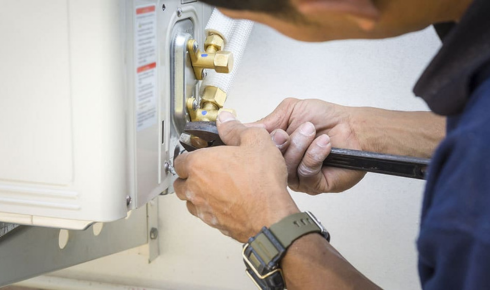
Good hvac installation takes the entire home into account. Experienced technicians look at insulation, ductwork, ceiling height, room layout, and airflow patterns before recommending equipment.
That process may seem excessive at first, but it’s what separates systems that merely function from systems that genuinely improve comfort long-term.
And homeowners usually feel that difference pretty quickly.
Energy Bills Tell Part of the Story
One thing many homeowners notice before replacing an aging HVAC system is rising utility costs. The monthly energy bill slowly creeps higher, even though nothing about the household itself has really changed.
Older systems simply become less efficient over time. Components wear down. Airflow weakens. Refrigerant issues develop. Motors and fans work harder than they were designed to.
The frustrating part is that homeowners often keep spending money on repairs hoping the system has “one more season” left in it.
Sometimes that works. Sometimes it doesn’t.
But eventually there’s usually a tipping point where constant repairs and rising energy costs no longer make practical sense. And honestly, that’s often when investing in a new system becomes less about luxury and more about reliability.
Modern HVAC equipment tends to run quieter, cool more evenly, and use significantly less energy compared to systems installed fifteen or twenty years ago. Some homeowners are genuinely shocked by the difference once everything is up and running.
The Best HVAC Systems Are Almost Invisible
Funny enough, when a heating and cooling system works really well, people stop thinking about it entirely.
There’s no constant adjusting of the thermostat. No loud startup noises rattling through the house at night. No rooms people avoid because they never feel comfortable.
Everything simply works in the background while life moves on around it.
That’s probably the real goal of HVAC replacement — not flashy technology or impressive specifications, but dependable comfort people can rely on without giving it much thought.
And honestly, there’s something deeply satisfying about walking into a home that feels consistently comfortable after years of dealing with uneven temperatures and unreliable equipment.
Homeowners Often Wait Longer Than They Should
Replacing an HVAC system is a significant expense, so it’s understandable why many people postpone the decision. Most homeowners naturally want to get every possible year out of older equipment before moving forward with replacement.
But there’s a difference between maximizing value and constantly pouring money into a system that’s already struggling.
Frequent breakdowns, uneven temperatures, excessive humidity, strange noises, or constantly rising utility bills are usually signs the system is nearing the end of its useful life. At that point, repairs often become temporary solutions instead of long-term fixes.
A trustworthy HVAC company will explain those realities honestly instead of immediately pushing unnecessary upgrades.
A Comfortable Home Quietly Improves Everyday Life
At the end of the day, people don’t really buy HVAC systems because they love talking about compressors or airflow ratings. They invest in comfort.
A properly functioning home feels calmer. People sleep better. The air feels cleaner. Family routines become easier because nobody’s constantly uncomfortable or frustrated by temperature swings.
And maybe that’s why replacing an aging HVAC system often feels more meaningful than homeowners expect. It’s not simply about machinery. It’s about creating a living space that quietly supports everyday life without demanding constant attention.
When that comfort finally returns, people usually wonder why they waited so long in the first place.

