

Most people don’t really think about their home’s water until something starts feeling off. Maybe the shower glass keeps turning cloudy no matter how often it’s cleaned. Maybe the coffee tastes a little flat. Maybe the laundry comes out stiff, or the dishwasher leaves spots on glasses that were supposed to be sparkling. It’s easy to blame the appliance, the detergent, or even the weather. But often, the water itself is part of the story.
Water moves through almost every corner of a home. It washes, rinses, heats, cools, cooks, cleans, and fills the glass beside the bed at night. So when the quality of that water is poor, even slightly, the effects tend to spread. Not always dramatically. Usually in small, annoying ways that slowly become normal.
And that’s the trouble. Homeowners get used to living with water problems before they realize those problems can actually be fixed.
The Small Signs Water Leaves Behind
Hard water stains are usually one of the first clues. White crust around faucets. Chalky buildup on showerheads. Dishes that look cloudy after drying. Soap that doesn’t lather properly. These are not just cosmetic issues, though they are frustrating enough on their own.
Minerals in hard water can build up inside plumbing and appliances over time. That buildup can make water heaters work harder, reduce flow through fixtures, and shorten the life of machines that depend on clean, steady water. A washing machine, dishwasher, ice maker, or coffee maker may still work, but it may not work as well as it should.
This is where many homeowners start looking for real answers, not just another bottle of bathroom cleaner.
Why Professional Help Makes a Difference
Water treatment can seem simple from the outside. Buy a system, connect it, and enjoy better water. But homes are different. Water sources are different. Plumbing layouts, pressure levels, household size, and daily usage all matter.
That’s why working with expert technicians can make such a difference. A trained professional can test the water, explain what the results actually mean, and recommend a system that fits the home instead of guessing from a product label.
Good advice also helps homeowners avoid overbuying. Not every house needs the largest system. Not every water issue requires the most expensive setup. Sometimes the smarter solution is more specific, more practical, and easier to maintain.
Hard Water and Everyday Comfort
Hard water is one of the most common household water concerns. It usually contains higher levels of calcium and magnesium, which can leave scale behind wherever water is used regularly. Over time, that scale can make fixtures look older than they are and make cleaning feel like a never-ending job.
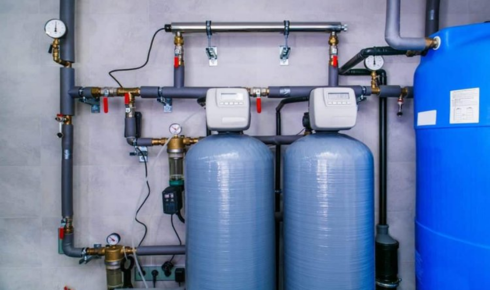
This is where water softeners are often useful. They help reduce the hardness minerals that cause scale, making water easier on plumbing, fixtures, appliances, laundry, and even daily bathing routines.
People often notice the comfort benefits first. Skin may feel less dry after a shower. Hair may rinse more cleanly. Towels and clothes may feel softer. Soap and shampoo may lather better. These are small improvements, sure, but they show up every day. And daily comfort matters more than people admit.
Drinking Water Deserves Its Own Attention
The water used for drinking and cooking has a different kind of importance. Even if the water is considered safe, it may still have taste, odor, or dissolved substances that homeowners would rather reduce. Chlorine smell, metallic taste, cloudy appearance, or general “off” flavor can make people reach for bottled water instead.
For many families, reverse osmosis systems offer a focused way to improve drinking water at the kitchen sink. These systems are designed to reduce a wide range of dissolved impurities, depending on the model and filtration stages, helping water taste cleaner and feel more reliable for drinking, cooking, coffee, tea, and ice.
It’s not just about taste either. When the family trusts the water at home, bottled water becomes less necessary. That saves space, reduces plastic waste, and cuts down on those annoying last-minute store runs.
The Right System Depends on the Real Problem
One mistake homeowners often make is choosing a system before testing the water. That’s a bit like buying medicine before knowing what’s wrong. A filter may help with taste but do little for hardness. A softener may reduce scale but not address certain drinking water concerns. A sediment filter may catch particles but won’t remove dissolved minerals.
Water testing helps separate guesswork from fact. It can reveal hardness levels, sediment, chlorine, iron, pH concerns, or other issues depending on the home’s water source. Once the problem is clear, the solution becomes much easier to choose.
A city-water home may need a different approach than a well-water property. A large household may need higher capacity than a small one. A compact home may need a system that fits neatly into limited utility space. These details are not minor. They determine whether a system works well in real life.
Installation and Maintenance Shouldn’t Be Ignored
Even a good water treatment system can perform poorly if it is installed incorrectly. Proper sizing, placement, bypass setup, drainage, and pressure considerations all matter. A rushed installation can lead to leaks, low water flow, inefficient operation, or maintenance headaches later.
Maintenance is another part of the picture. Filters need replacing. Salt levels may need checking. Settings may need adjusting as household usage changes. None of this has to be difficult, but it does need to be understood.
A well-installed system should feel like part of the home, not a confusing machine hiding in the corner.
Better Water Makes the Home Feel Easier to Live In
Water treatment is not always the kind of upgrade people show off to guests. It doesn’t shine like new countertops or change the look of a room. But it quietly improves the way a home functions.
Showers feel better. Dishes look cleaner. Laundry improves. Fixtures stay nicer. Appliances get some protection from buildup. Drinking water tastes fresher. Cleaning becomes less of a battle.
And maybe that’s the real value. Better water removes little frustrations before they pile up. It works in the background, quietly supporting the routines that make a house feel comfortable.
A home depends on water every single day. When that water is treated properly, everything feels just a little smoother.

