Clean water is one of those things we often take for granted until something changes. Maybe the drinking water develops an unusual taste, white marks appear on bathroom taps, or the washing machine starts showing signs of mineral buildup. These little problems can be frustrating, especially when you don’t know what’s causing them. More importantly, they can be signs that your household water deserves a closer look.
Water quality varies considerably from one location to another. Even homes in the same neighborhood may experience different issues depending on their plumbing, water source, and existing treatment equipment. Understanding these differences is the first step toward choosing a solution that genuinely works.
Understanding What’s Really in Your Water
Water can look perfectly clear and still contain dissolved minerals, unwanted chemicals, sediment, or other contaminants. Municipal treatment facilities typically disinfect public drinking water and monitor it against applicable standards, but water quality can change as it travels through distribution systems and household plumbing. Private wells have different considerations because their owners are generally responsible for arranging appropriate testing.
Hard water is among the most common household concerns. It contains elevated levels of calcium and magnesium, which can leave chalky deposits on showerheads, reduce soap lather, and create stubborn spots on dishes. Iron and manganese may cause staining, while sediment can affect the appearance and performance of water fixtures.
Taste and odor problems deserve attention, too. A chlorine smell may come from municipal disinfection, while a rotten-egg odor can sometimes indicate hydrogen sulfide. Neither should be diagnosed by appearance alone. Testing helps distinguish an ordinary nuisance from a condition that needs prompt investigation.
Related analysis: How Better Water Can Improve Everyday Comfort and Protect Your Home
Why Every Household Needs a Different Approach
There’s no single treatment system that solves every water problem. A family dealing with hard water may need a different solution from someone concerned about drinking water taste or a homeowner relying on a private well.
This is where residential water treatment solutions become particularly useful. Rather than purchasing equipment based on advertising claims or a neighbor’s recommendation, homeowners can select systems according to their actual water conditions, household consumption, and budget.
A professional assessment usually begins with questions about the water source, visible stains, unusual odors, plumbing fixtures, and previous test results. Depending on the situation, testing may measure hardness, pH, iron, nitrate, total dissolved solids, or specific contaminants. Not every household needs every test, so the goal is to identify the relevant concerns first.
Once those results are available, selecting equipment becomes much more straightforward. It also helps prevent the common mistake of paying for features that provide little benefit to a particular home.
Choosing the Right Water Treatment Technology
Different technologies perform different jobs, and understanding their strengths makes it easier to compare options.
Related analysis: Creating a More Comfortable Home Starts with Better Water Systems
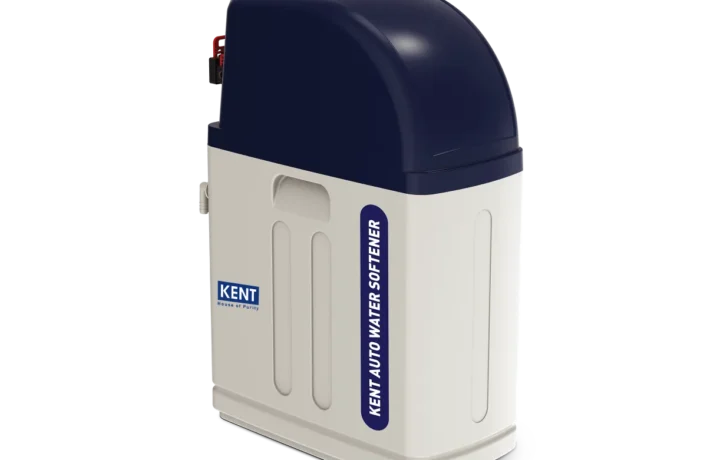
Water softeners use ion exchange to reduce hardness minerals. They’re particularly helpful in areas where scale buildup affects plumbing, water heaters, and appliances. Traditional systems require periodic salt replenishment and maintenance, while salt-free conditioning technologies work differently and generally do not remove hardness minerals in the same way.
Reverse osmosis systems are often used to improve drinking water quality. They employ a semipermeable membrane and additional treatment stages to reduce many dissolved substances. Their effectiveness depends on the system design, maintenance, and specific contaminants involved. Homeowners should check performance certifications rather than assume every reverse osmosis unit removes every possible contaminant.
Whole-home filtration treats water entering the house, making it suitable for certain issues affecting multiple bathrooms, laundry areas, and kitchen fixtures. Depending on the filter media, these systems may reduce chlorine, sediment, iron, or other targeted substances.
Ultraviolet treatment can help inactivate microorganisms when the equipment is appropriately selected and maintained. However, UV systems don’t remove dissolved chemicals or sediment, and pretreatment may be necessary for reliable performance.
The important thing is to match the technology to the problem, not the other way around.
Related analysis: How Better Water Quietly Improves the Comfort of Your Home
Making Water Quality Testing a Priority
Water testing provides a clearer picture of what you’re dealing with before you invest in equipment. For households connected to municipal supplies, reviewing the local water quality report can provide useful background information. However, that report may not reflect changes occurring inside a home’s plumbing.
Private well owners should arrange testing through a qualified laboratory, following local recommendations for parameters and frequency. Microbial contamination, nitrate, and other location-specific concerns may require particular attention.
If the water suddenly changes color, develops a strong unfamiliar odor, or causes unexplained illness, don’t simply assume a filter will fix it. Contact the appropriate water utility or public health authority and seek suitable testing. If contamination is suspected, follow official advice about drinking and cooking water until the problem has been assessed.
Testing is also valuable after installing a treatment system. It helps establish whether the equipment is performing as intended and whether additional adjustments are necessary.
What Makes a Treatment System Worth the Investment?
Price matters, but the cheapest equipment isn’t always the most economical choice over time. A sensible comparison considers purchase costs, installation, electricity, replacement filters, salt, water usage, and servicing requirements.
Related analysis: Better Water Makes a Home Feel Better in Small, Everyday Ways
Look for high-performance solutions that are appropriately sized for your household and supported by clear product specifications. Independent certifications, such as applicable NSF/ANSI standards, can help verify specific performance claims. Always check which substances a product is certified to reduce, because certification for one purpose doesn’t establish effectiveness against every contaminant.
System capacity is another practical consideration. A unit that’s too small may struggle during periods of heavy use, while an oversized system can add unnecessary expense. Household size, daily water consumption, incoming water conditions, and peak demand should all influence the selection.
Ask suppliers about maintenance schedules, warranty coverage, replacement part availability, and service costs before making a decision. A reputable provider should explain both the benefits and limitations of the recommended equipment without making exaggerated health claims.
Don’t Overlook Installation and Ongoing Maintenance
Even good equipment can disappoint when it’s installed incorrectly or neglected. Filters gradually accumulate material, softeners require appropriate regeneration and replenishment, and UV lamps need replacement according to manufacturer instructions.
Maintenance requirements differ by system, so keep a record of installation dates, filter changes, and service visits. Watch for changes in taste, pressure, odor, or equipment performance. These signs don’t always mean a system has failed, but they can indicate that inspection is needed.
Related analysis: Why Better Water at Home Changes More Than Just Taste
Professional installation may be especially worthwhile when equipment involves plumbing modifications, drainage connections, electrical components, or treatment for a specific contaminant. A qualified technician can also check whether pretreatment is necessary and confirm that the system suits the incoming water supply.
Regular maintenance protects your investment and helps ensure the treatment system continues doing the job it was designed to perform.
Finding a Solution That Fits Your Home
Every household has its own priorities. Some homeowners want to reduce scale and protect appliances. Others are focused on drinking water taste, well water safety, or particular contaminants identified through testing. The best approach begins with understanding those needs rather than buying equipment simply because it’s popular.
A persistent water quality challenge doesn’t always require an expensive collection of filters and treatment devices. Sometimes, a targeted solution is sufficient. In other cases, combining filtration, softening, or disinfection technologies may be appropriate, provided each component addresses a demonstrated need.
Take time to review test results, compare verified performance claims, and understand the long-term costs. If you’re unsure where to begin, a qualified water treatment professional or certified laboratory can help clarify your options.
Clean, dependable water isn’t about having the most complicated equipment in the utility room. It’s about choosing a system that addresses the right concerns, maintaining it properly, and checking that it continues to perform as expected. With a little investigation and a thoughtful plan, homeowners can make more confident decisions about the water they use every day.