It’s funny how something as ordinary as water can affect so many parts of daily life. You notice it when soap refuses to lather properly, when glasses come out of the dishwasher covered in spots, or when the showerhead develops a crusty layer of mineral deposits. At first, these things seem like minor annoyances. Over time, though, they can become a regular source of frustration.
Hard water is a common reason behind these problems. It contains dissolved minerals, mainly calcium and magnesium, that can leave deposits on surfaces and affect how soap behaves. The good news is that understanding your water supply can help you choose practical ways to reduce these effects without spending money on equipment you don’t really need.
Why Water Quality Matters at Home
Water does more than keep us hydrated. We use it for bathing, washing clothes, cleaning dishes, preparing meals, and running appliances. When its mineral content is high, those everyday tasks may become a little more difficult.
Hardness varies depending on where the water comes from. Groundwater often picks up calcium and magnesium as it moves through rock and soil, while municipal supplies can differ according to their source and treatment. Even homes in the same neighborhood may experience different issues because of plumbing and local conditions.
Some signs are easy to spot. White marks on faucets, cloudy glassware, and deposits inside kettles often suggest hard water. Other changes, such as an unusual odor or a metallic taste, may have a different cause and shouldn’t automatically be blamed on hardness.
Related analysis: How Better Water Quietly Improves the Comfort of Your Home
A water test is a sensible starting point if you’re unsure what’s happening. It can help determine the hardness level and whether additional testing is appropriate. That information makes it easier to choose a treatment method based on evidence rather than guesswork.
The Hidden Cost of Mineral Deposits
One of the less obvious effects of hard water is what happens inside appliances. Water heaters, washing machines, dishwashers, and other equipment that uses water can gradually collect mineral deposits, depending on operating conditions and water chemistry.
These deposits may contribute to reduced appliance efficiency when scale accumulates on heating surfaces or restricts water flow. A water heater, for example, may need to work harder to transfer heat through a layer of scale. In some circumstances, buildup can increase energy use, affect performance, or lead to more frequent maintenance.
That doesn’t mean every appliance problem comes from hard water. Faulty components, poor maintenance, and ordinary wear can produce similar symptoms. Still, if your home has very hard water and you regularly see scale around taps and inside kettles, it’s worth considering whether mineral deposits are contributing to the problem.
Prevention is usually easier than dealing with thick deposits later. Regular cleaning, following appliance maintenance instructions, and investigating persistent scale can help. In homes with significant hardness, an appropriately selected water treatment system may also reduce the amount of scale-forming minerals reaching equipment.
Related analysis: Better Water Makes a Home Feel Better in Small, Everyday Ways
Why Soap Sometimes Seems Less Effective
Have you ever used what feels like half a bottle of shampoo or dishwashing liquid and still struggled to get the result you expected? Hard water may be part of the reason.
Calcium and magnesium can react with certain soap ingredients, forming residues that don’t rinse away as easily. This can make it harder to produce lather with traditional soap and may leave deposits on sinks, bathtubs, and shower surfaces.
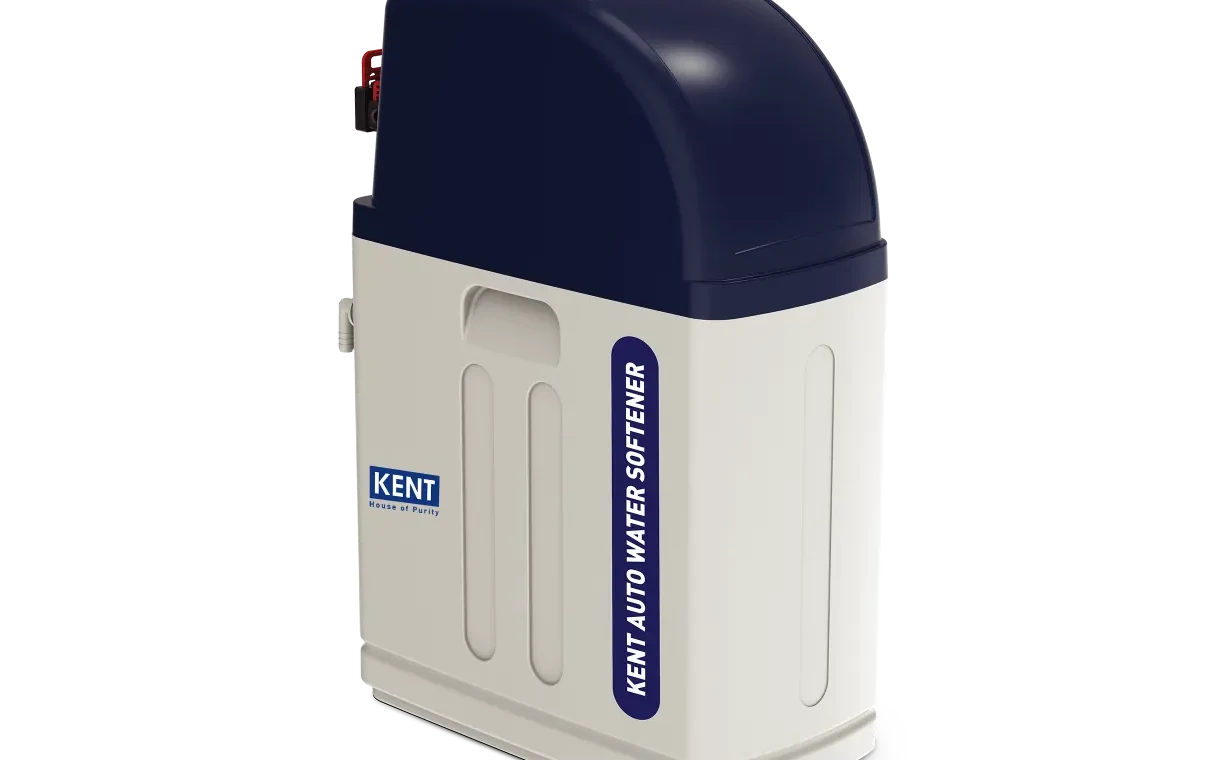
For many households, better soap performance is one of the most noticeable benefits of reducing water hardness. When the mineral content is lowered with a suitable water softener, soap and some cleaning products can work more effectively. You may find that you need less product to achieve the same result, although the exact difference depends on the products you use and the hardness of your water.
Detergents formulated for hard water can also help, particularly with laundry and dishwashing. Follow the product instructions rather than automatically adding more. Excess detergent can leave residue, and using too much doesn’t necessarily produce cleaner clothes or dishes.
It’s a small adjustment, but small improvements add up when you’re doing laundry, cleaning bathrooms, and washing dishes week after week.
Related analysis: The Quiet Comfort of Knowing the Water in Your Home Is Better
What Does Softer Water Actually Feel Like?
People often describe softened water as feeling smoother or more slippery on the skin. That sensation can take some getting used to, especially if you’ve spent years bathing in hard water.
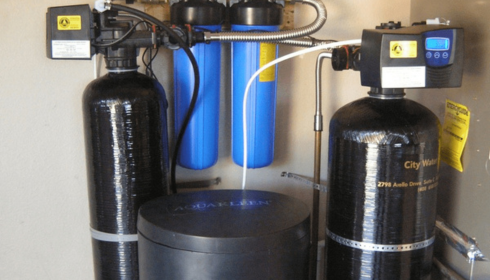
A conventional water softener reduces calcium and magnesium through ion exchange. The process replaces hardness ions with sodium or potassium ions, depending on the system and regenerant used. It changes the mineral composition of the treated water rather than simply filtering visible particles.
Some people appreciate softer-feeling water because soap rinses differently and mineral residue is reduced. Others notice little difference in how their skin feels. Personal experience varies, and softened water shouldn’t be treated as a guaranteed remedy for dry skin or a medical condition.
If you’re considering a softener, think about your main priorities. Do you want less scale on shower doors? Are your fixtures repeatedly developing mineral stains? Is laundry difficult to clean? These practical concerns are more useful when deciding whether treatment is worthwhile than relying on promises about how your skin or hair will feel.
It’s also important to understand that softening isn’t the same as making water safe from every contaminant. A softener is designed primarily for hardness, so other water quality issues may need separate treatment.
Related analysis: A Practical Guide to Better Water Quality for Every Home
Choosing the Right Water Treatment Option
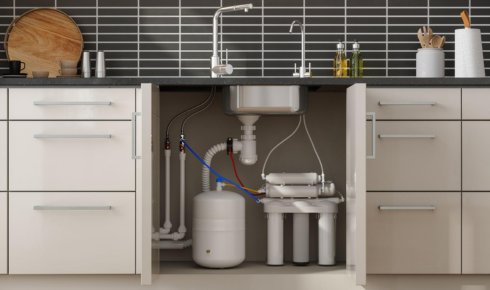
Not every home needs the same solution. A water softener may be suitable when hardness is the main concern, while sediment filtration can help remove suspended particles. Activated carbon filters are commonly used for certain taste and odor issues, and reverse osmosis systems can reduce specific dissolved substances when appropriately designed and maintained.
The first step is to identify the problem. If your main complaint is white scale, test the water hardness. If the water smells unusual or looks discolored, investigate the cause rather than assuming a softener will fix it.
Next, consider household size, daily water demand, available installation space, and maintenance costs. A larger household may require greater treatment capacity than a small apartment. Equipment also needs to fit the plumbing layout and operate at a suitable flow rate.
Ask providers to explain the system’s limitations, ongoing expenses, and servicing requirements. A clear answer about what the equipment won’t do can be just as valuable as a list of its benefits.
Simple Habits That Make a Difference
Even with treatment equipment, regular care matters. Clean faucets and showerheads as recommended by their manufacturers, replace filters on schedule, and investigate leaks or changes in water pressure. If you have a softener, keep up with its maintenance instructions and make sure the settings suit your water conditions.
Related analysis: Creating a More Comfortable Home Starts with Better Water Systems
It’s also wise to monitor results after installation. If scale continues to build up or the system seems less effective, a technician may need to check the settings, capacity, or condition of the equipment. Sometimes the original water assessment needs to be revisited.
Avoid assuming that every stain is mineral scale, too. Rust from plumbing, soap residue, and other substances can look similar. Identifying the cause helps you choose a cleaning method that works without damaging fixtures.
Making Everyday Water Work Better for You
Water quality isn’t always the first thing people think about when maintaining a home, but it can influence comfort, cleaning routines, and the performance of water-using appliances. Hard water may leave stubborn deposits, affect soap performance, and contribute to maintenance issues over time.
The answer isn’t necessarily to buy the most expensive treatment system available. Start with testing, understand what you want to improve, and choose equipment that fits your actual needs. Keep expectations realistic, follow maintenance recommendations, and seek professional advice when the cause of a problem isn’t clear.
A few well-informed decisions can make daily chores less frustrating and help you care for your home’s plumbing and appliances. Sometimes the best home improvements aren’t dramatic renovations. They’re the practical changes that make ordinary life run a little more smoothly.