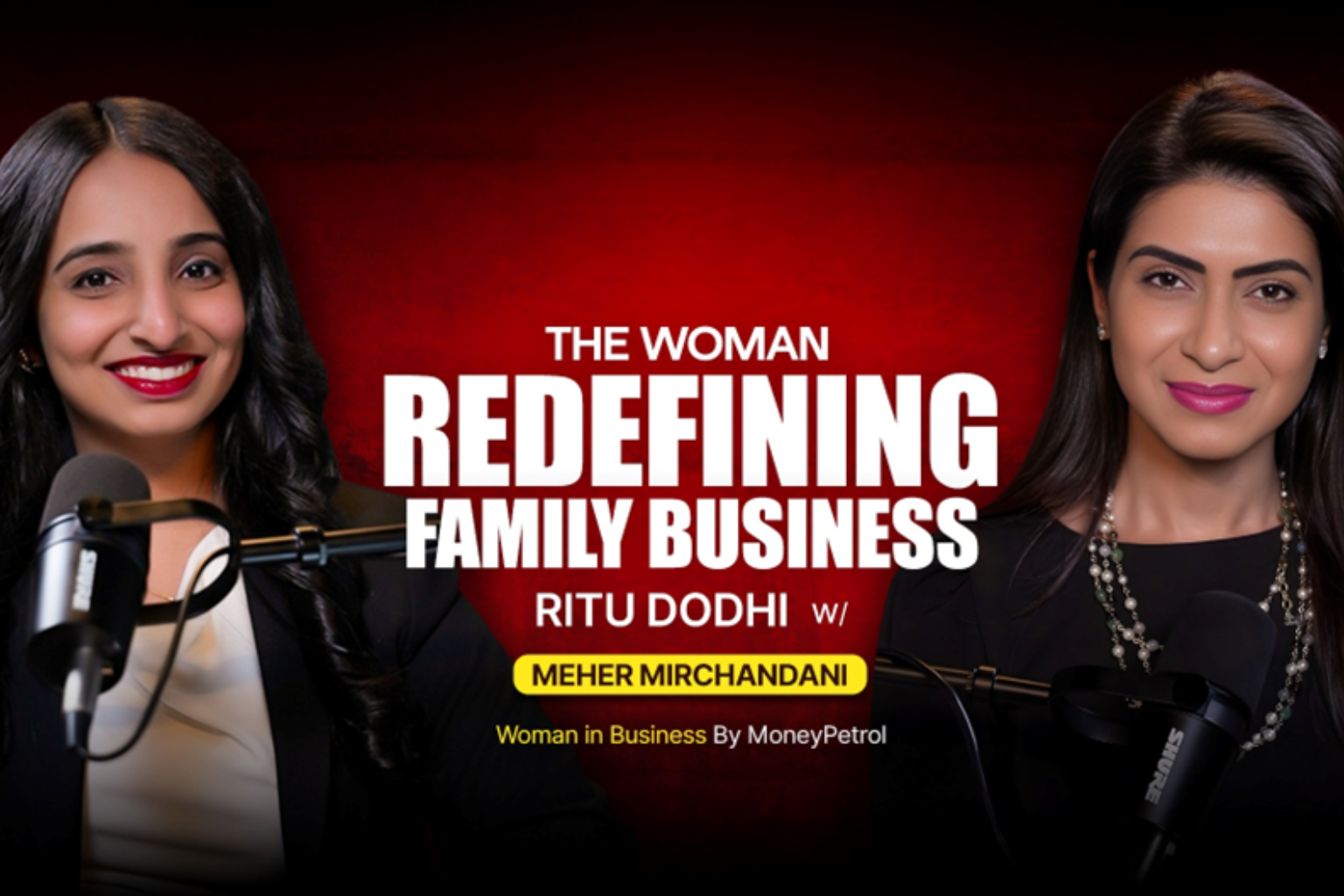
The Meher Mirchandani Podcast has brought attention to an important business truth that many organizations overlook: strategy may guide a company, but culture determines whether that strategy succeeds. In today’s competitive business environment, companies invest heavily in expansion plans, branding, and operational systems, yet many still struggle because they fail to build a strong internal culture. A healthy workplace culture shapes how employees think, collaborate, innovate, and respond to challenges, making it one of the most powerful drivers of long-term business success.
Understanding the Real Meaning of Business Culture
Business culture is often misunderstood as office perks, social events, or motivational posters. In reality, culture reflects the values, behaviors, and mindset that influence daily operations within a company. It defines how leadership communicates, how employees treat one another, and how decisions are made during both success and uncertainty.
A company may have an impressive strategy on paper, but if employees are disconnected, unmotivated, or unclear about the organization’s purpose, execution becomes difficult. Strong culture creates alignment between people and goals, turning business plans into measurable action. This is one of the key perspectives that Meher Mirchandani frequently emphasizes while discussing leadership and sustainable growth in modern organizations.
Why Strategy Alone Is Not Enough
Business strategy is essential because it provides direction and structure. However, strategy alone cannot guarantee commitment, creativity, or resilience among teams. Organizations often spend months developing detailed plans only to discover that internal resistance or poor communication prevents successful implementation.
Culture fills the gap between planning and performance. Employees who feel valued and connected to a company’s mission are more likely to contribute innovative ideas and remain committed during difficult periods. A strong culture encourages accountability naturally, without relying entirely on strict supervision.
Related analysis: Owning a Slice Instead of the Whole: How Fractional Real Estate Is Changing the Entry Game
Meher Mirchandani highlights that businesses with positive workplace environments tend to adapt faster to changing markets. When employees trust leadership and feel empowered, they become more open to transformation and collaboration. This flexibility becomes especially important in industries experiencing rapid technological and economic change.
Leadership Shapes Organizational Culture
Culture does not appear automatically. It is built intentionally through leadership behavior and company values. Employees observe how leaders communicate, handle pressure, and treat people. These actions gradually shape the emotional environment within the organization.
When leaders demonstrate transparency, respect, and consistency, employees are more likely to adopt those same behaviors. On the other hand, toxic leadership can damage morale even in companies with excellent business models. Culture spreads from the top down, influencing every department and interaction.
Meher Mirchandani often speaks about the importance of authentic leadership in creating lasting organizational impact. Employees no longer want to work only for salaries or titles. They seek workplaces where they feel respected, heard, and inspired. Leaders who understand this shift are better positioned to build loyal and motivated teams.
Employee Experience Drives Business Performance
Modern businesses are increasingly recognizing the connection between employee satisfaction and customer experience. When employees feel engaged and appreciated, they naturally provide better service, stronger collaboration, and higher productivity. Culture directly affects how people approach their work every day.
Related analysis: Sharing Space, Sharing Life: Why Co-Living Is Catching On in Urban India
Companies with supportive cultures often experience lower turnover rates and stronger internal communication. Employees in these environments are more willing to contribute ideas, solve problems creatively, and support organizational goals. This creates momentum that strategy alone cannot achieve.
Meher Mirchandani emphasizes that successful businesses invest in people as much as they invest in systems and technology. A motivated workforce becomes a company’s strongest competitive advantage because engaged employees influence innovation, reputation, and customer trust simultaneously.
Innovation Thrives in Positive Cultures
Innovation requires more than technical skill. It depends heavily on psychological safety and open communication within teams. Employees must feel comfortable sharing ideas, taking calculated risks, and learning from mistakes without fear of judgment or punishment.
Organizations with rigid or fear-based cultures often struggle to innovate because employees avoid experimentation. In contrast, companies with collaborative cultures encourage curiosity and creative thinking. This leads to stronger problem-solving and continuous improvement.
Meher Mirchandani frequently points out that innovation is not limited to technology companies. Every industry benefits from environments where employees feel empowered to contribute fresh ideas. Culture creates the confidence necessary for businesses to evolve and remain competitive in changing markets.
Related analysis: Quiet Upgrades: How Smart Living Is Reaching India’s Smaller Cities
Building Trust During Uncertain Times
Economic uncertainty, market disruptions, and global challenges have shown that resilient cultures are essential for business survival. During difficult periods, employees look to leadership for stability, communication, and reassurance. Organizations with strong cultures are often better equipped to handle crises because trust already exists within teams.
Transparent communication becomes especially important during periods of change. Employees who understand the company’s direction and feel included in the process are more likely to remain engaged and cooperative. Culture provides emotional stability that helps organizations navigate uncertainty with greater confidence.
Meher Mirchandani believes that businesses should view culture as a long-term investment rather than a temporary initiative. While strategies may evolve according to market conditions, core values and workplace trust provide continuity that strengthens organizations over time.
Creating a Culture That Lasts
Building a meaningful culture requires consistency and intentional effort. It involves hiring people who align with company values, encouraging open communication, and recognizing employee contributions regularly. Culture cannot be created through slogans alone; it must be reflected in everyday actions and decisions.
Organizations that prioritize empathy, collaboration, and personal growth tend to attract stronger talent and maintain healthier workplace environments. Employees are more likely to stay loyal to companies where they feel respected and connected to a larger purpose.
Meher Mirchandani continues to inspire conversations around leadership, organizational values, and modern business practices by emphasizing the human side of success. As business conversations evolve globally, discussions around workplace culture are becoming increasingly prominent across digital platforms and Dubai podcasts, where entrepreneurs and industry leaders explore the future of leadership, innovation, and sustainable growth.