

Appliances rarely fail without warning. That’s probably one of the most frustrating parts about them. Looking back, there were usually signs everywhere — little clues quietly building for days or even weeks before the actual breakdown happened.
The refrigerator started humming louder than usual. The freezer door stopped sealing properly. The dryer took two cycles instead of one. Most homeowners notice these things, honestly. The problem is that life gets busy, and small appliance issues tend to slide lower and lower on the priority list.
Until suddenly the appliance stops working altogether.
And by then, what could’ve been a relatively small repair sometimes turns into something much bigger.
Small Problems Usually Grow Quietly
One thing repair technicians hear constantly is, “It was doing this for a while, but I didn’t think it was serious.”
That’s understandable. Appliances often continue functioning even while underlying components begin struggling. A refrigerator may still cool while the compressor works overtime. A freezer may still freeze food despite airflow problems slowly developing inside.
The trouble is that appliances compensate for problems until they can’t anymore.
By the time performance noticeably changes, the system has often been under stress for quite a while already. And unfortunately, modern appliances are more interconnected than people realize. One failing part can quietly create strain on several others over time.
Frost Buildup Is More Important Than It Looks
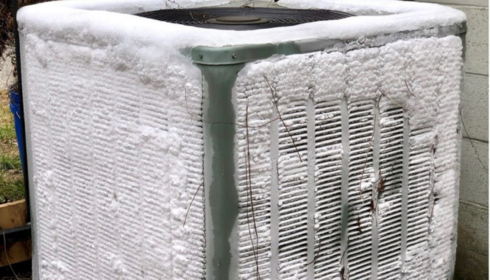
A little frost inside a freezer may not seem like a huge deal at first. Many homeowners simply scrape it away and move on. But consistent or heavy frost formation usually points toward a deeper issue somewhere in the system.
Sometimes it’s a damaged door seal allowing warm air inside. Other times the defrost system isn’t functioning properly. Airflow restrictions can also create uneven freezing patterns that slowly worsen over time.
That’s why excessive frost build-up shouldn’t be ignored for too long.
Besides reducing storage space, frost affects efficiency. Appliances work harder to maintain temperature consistency, which increases energy usage and adds stress to cooling components. Over time, that strain can shorten the appliance lifespan significantly.
And honestly, many people don’t realize how expensive long-term compressor damage can become compared to fixing smaller problems earlier.
Strange Sounds Usually Mean Something
Most appliances make some level of noise during normal operation. Refrigerators hum. Ice makers click occasionally. Washers vibrate during spin cycles. Those sounds become part of the background of daily life.
But homeowners usually notice when something sounds different.
Maybe the refrigerator suddenly starts buzzing louder than normal. Perhaps there’s rattling behind the freezer compartment or a knocking sound during cooling cycles. Sometimes dryers begin squealing in ways that immediately sound concerning.
Those strange noises matter more than people often assume.
Appliances communicate mechanical stress through sound surprisingly often. Worn fan motors, failing bearings, loose components, struggling compressors — many issues become audible long before total breakdown occurs.
The mistake people make is hoping the sound will disappear on its own.
Usually, it doesn’t.
Modern Appliances Are Smarter — and More Sensitive
Today’s appliances are packed with technology older generations never had. Digital controls, energy-efficient systems, sensors, touchscreens, smart connectivity — modern appliances are far more advanced than they used to be.
That technology improves efficiency, but it also means systems react differently when problems begin developing.
A single sensor malfunction can affect temperature regulation. Minor airflow restrictions may confuse cooling cycles. Electrical inconsistencies sometimes trigger performance issues that feel random to homeowners.
Diagnosing modern appliance problems now requires both mechanical knowledge and electronic troubleshooting skills. It’s one reason experienced repair technicians stand out so much compared to basic DIY guessing.
And honestly, homeowners usually appreciate straightforward explanations more than complicated technical language.
Cooling Problems Create Stress Fast
Few appliance failures feel as urgent as refrigeration issues. When food storage becomes unreliable, people start worrying immediately about groceries, meal planning, medications, and spoiled food.
The frustrating part is that many Cooling Problems begin subtly before turning serious.
The refrigerator feels slightly warmer than usual. Frozen foods soften a little around the edges. Ice melts faster than expected. These symptoms often appear gradually, making them easier to dismiss initially.
But cooling systems rely on balance. Compressors, refrigerant lines, fans, coils, thermostats, and airflow systems all work together continuously. When one component struggles, the entire system begins compensating harder.
And once cooling performance starts slipping noticeably, the appliance is already working under strain.
Maintenance Still Gets Ignored
Most homeowners don’t intentionally neglect appliances. It’s just that maintenance tasks rarely feel urgent during busy weeks.
Cleaning condenser coils gets postponed. Dryer vents stay partially clogged. Door seals wear down slowly without anyone noticing. These small details don’t seem important until something stops functioning correctly.
But preventative care genuinely helps.
Simple maintenance improves efficiency, reduces wear, and often prevents expensive repairs later. Even basic habits like keeping vents clear or checking seals occasionally can extend appliance lifespan more than many people expect.
And compared to emergency replacements, small maintenance tasks feel pretty inexpensive honestly.
Repair Costs vs Replacement Costs
A lot of people immediately assume broken appliances should simply be replaced now. Sometimes replacement makes sense, especially for older units with repeated failures.
But many appliance issues are still highly repairable if caught early enough.
The problem is that delayed repairs often increase overall damage. What begins as a relatively affordable part replacement can evolve into major mechanical failure if the appliance continues running under stress for too long.
That’s why early diagnosis matters so much.
A trustworthy technician won’t automatically push expensive replacements either. Good repair professionals explain the situation realistically and help homeowners decide whether repair or replacement actually makes more financial sense.
Trust Still Matters in Home Services
One thing people remember strongly during appliance breakdowns is how the repair experience felt overall.
Did the technician explain the issue clearly? Did pricing feel transparent? Was communication straightforward? These details matter because appliance failures already create stress inside households.
Reliable repair companies reduce that stress instead of adding to it.
And honestly, that kind of professionalism stands out more than ever now.
Final Thoughts
Appliances quietly support everyday life until small warning signs begin appearing. Frost buildup, unusual sounds, and inconsistent cooling may seem minor initially, but they often point toward larger problems developing behind the scenes.
Paying attention early can save homeowners significant stress, money, and inconvenience later.
Because when appliances work properly, life simply feels easier — and most people only realize how true that is once something suddenly stops working.

