

Water problems are rarely dramatic in the beginning. They usually arrive as small annoyances. A glass that looks cloudy after washing. A rusty stain that keeps returning near the drain. A strange taste in the morning coffee. Dry skin after a shower. Nothing too shocking, maybe, but enough to make you wonder what’s going on.
Most homeowners try to work around these things for a while. They buy stronger cleaners, switch detergents, replace showerheads, or grab bottled water from the store. Sometimes that helps a little. But if the water itself is causing the problem, those fixes don’t really get to the root of it.
Why Water Quality Can Change So Much
Water doesn’t reach every home in the same condition. It may come from a municipal source, a private well, or travel through older plumbing before reaching the tap. Along the way, it can pick up minerals, sediment, iron, chlorine, and other elements that affect how it tastes, smells, and behaves.
That’s why one home may struggle with stains, while another deals with scale buildup or unpleasant drinking water. The first step is simply noticing the signs instead of brushing them off as “normal.”
The Trouble With Mineral Buildup
One of the most common household issues is hard water. This happens when water contains higher levels of calcium and magnesium. It may look perfectly clear, but once it dries, it can leave chalky white marks on taps, shower glass, dishes, and sinks.
Hard water can also make soap feel less effective. Shampoo may not lather properly. Laundry may come out a bit stiff. Dishes may have spots even after a full dishwasher cycle. Over time, mineral buildup can collect inside appliances too, especially water heaters and dishwashers.
It’s not just a cleaning problem. It can become a maintenance problem if ignored for too long.
Rusty Stains and Metallic Clues
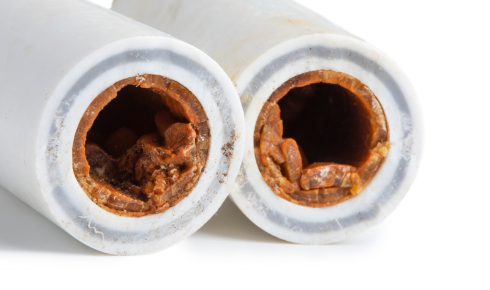
Another common issue, especially in well water areas, is iron in water. You may notice orange, red, or brown stains around toilets, sinks, tubs, or laundry. Sometimes the water has a metallic taste, or clear water turns rusty-looking after sitting for a while.
Iron can be frustrating because ordinary cleaning doesn’t always solve it. You scrub the stain, it fades, and then it comes right back. White clothing may also develop yellowish or rusty marks during washing, which is especially annoying when it happens to towels or school uniforms.
Testing is important here because iron can appear in different forms, and the right treatment depends on the type and level present.
When Water Smells or Tastes Treated
City water is often disinfected before it reaches homes, which is important for public safety. Still, some households dislike the strong chemical taste or smell that can remain at the tap.
If you notice chlorine taste and odor, especially when drinking water, making tea, or filling ice trays, filtration may help improve the experience. Even when water meets basic standards, taste still matters. People are simply less likely to drink tap water if it smells like a swimming pool.
A good carbon filtration system can often reduce unwanted taste and odor, making everyday water more pleasant for drinking and cooking.
Testing Before Choosing a Solution
Guessing at water problems can get expensive quickly. A pitcher filter might improve taste but do nothing for hardness. A softener may help with scale but may not remove chlorine odor. An iron filter may be needed if staining is the real concern.
That’s why water testing is such a useful first step. It gives a clearer picture of what’s actually in the water, so the treatment system can be selected properly.
For some homes, one solution may be enough. Others may need a combination, such as softening, filtration, or a dedicated drinking water system. The right setup depends on the home, the water source, and the family’s daily needs.
Better Water Makes Daily Life Easier
Once water issues are handled properly, the difference often shows up in small but welcome ways. Fixtures stay cleaner. Coffee tastes better. Laundry feels softer. Stains return less often. Showers feel more comfortable. Appliances may also work with less mineral or sediment stress.
These are not flashy improvements, but they matter because water is used constantly. Every shower, every load of laundry, every glass of water, every pot of pasta — it all depends on the same supply.
A Smarter Way to Care for the Home
Water quality is easy to overlook because it works quietly in the background. But when something is wrong, it slowly affects the whole rhythm of the house. More cleaning. More bottled water. More frustration. More questions.
The good news is that most water problems can be identified and treated once you know what you’re dealing with. Whether the issue is minerals, iron, odor, taste, or staining, the right approach can make the home feel cleaner and easier to manage.
And honestly, that’s what good water should do. It should support daily life, not make it harder.

