

Most homeowners don’t notice water quality until it begins causing little annoyances around the house. A chalky ring around the faucet. Cloudy glasses from the dishwasher. Laundry that feels a bit stiff, even after using good detergent. At first, these things seem small, almost too ordinary to worry about. But over time, poor water quality can quietly affect the way your home looks, feels, and functions.
Hard water, minerals, sediment, and untreated contaminants don’t always announce themselves loudly. They build up slowly. And that’s what makes the issue easy to ignore until cleaning becomes harder, fixtures lose their shine, or appliances start acting older than they really are.
The First Signs Often Show Up on Surfaces
One of the most visible signs of water trouble is staining. Sinks, toilets, tubs, tile, and shower doors can all start showing marks that don’t wash away easily. Some stains look white and crusty, while others may appear yellow, orange, brown, or cloudy depending on what’s in the water.
These staining issues can make a clean bathroom look neglected, which is honestly frustrating. You scrub, rinse, wipe everything down, and somehow the marks return within days. That’s usually a sign the problem isn’t your cleaning routine. It’s the water itself.
Minerals like calcium and magnesium create scale. Iron can leave rusty discoloration. Manganese may cause darker marks. Once these deposits settle into porous surfaces or around fixtures, they become tougher to remove without special cleaners or treatment.
Why Water Quality Matters Behind the Walls
What you see on sinks and shower doors is only part of the story. The same minerals and sediment that leave marks on surfaces can also move through pipes every day. Inside plumbing lines, buildup may slowly reduce water flow, collect around joints, or contribute to corrosion in older systems.
That’s why plumbing protection matters more than many people realise. Pipes are not something most homeowners think about unless there’s a leak, low pressure, or a repair bill involved. But keeping water cleaner and better balanced can help reduce unnecessary stress on the plumbing system.
Scale buildup can narrow pipe openings over time. Sediment can settle where water slows down. Corrosive water may wear away certain pipe materials. These issues don’t always happen overnight, but when they do develop, they’re rarely cheap to fix.
Appliances Feel the Impact Too
Water-using appliances work hard in the background. Dishwashers, washing machines, water heaters, coffee makers, ice makers, and humidifiers all depend on the quality of water passing through them. When that water carries minerals or sediment, the appliance has to deal with it every single cycle.
A water heater, for example, may collect mineral deposits at the bottom of the tank. This can make it less efficient and sometimes noisier. Dishwashers may leave spots on glasses. Washing machines may struggle to rinse fabrics properly. Even a simple coffee maker can clog faster when minerals build up inside.
Good appliance protection isn’t just about buying expensive machines or following the manual once in a while. It also means paying attention to the water those machines use daily. Better water can help appliances perform more smoothly and may reduce avoidable wear.
Better Water Can Make Daily Life Easier
Water treatment is not always about dramatic before-and-after changes. Sometimes it’s about small improvements that make home care less annoying. Softer laundry. Cleaner-looking dishes. Fixtures that don’t need constant polishing. A shower that feels fresher. These are simple things, but they add up.
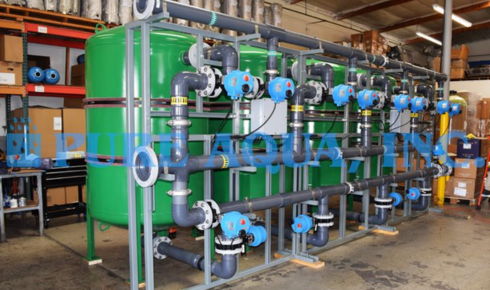
Depending on the problem, a home may benefit from a water softener, sediment filter, iron filter, carbon filtration system, or whole-house water treatment setup. The right choice depends on what’s actually in the water. Guessing can lead to wasted money, so testing is usually the best first step.
For homes on private wells, testing is especially important because water conditions can vary widely. Municipal water can also change due to pipe work, seasonal shifts, or older infrastructure in the area.
Don’t Wait Until the Damage Is Obvious
One of the biggest mistakes people make is waiting until water problems become severe. By then, stains may be harder to remove, fixtures may already be damaged, and appliances may have lost efficiency. A little prevention usually feels boring, sure, but it’s often cheaper than repairs.
If you keep seeing mineral buildup, stains, cloudy water, low pressure, or strange tastes and smells, it’s worth taking seriously. Your water is used everywhere in the home, from the kitchen sink to the laundry room. When it carries unwanted minerals or particles, those effects spread quietly.
Clean, well-treated water does more than taste better. It helps protect the things you use every day. And honestly, there’s something comforting about turning on the tap and not wondering what it’s leaving behind.

