

A water softener or filtration system is easy to forget about when it’s doing its job. That’s actually part of the appeal. You turn on the tap, the water feels better, the dishes look cleaner, the shower doesn’t leave your skin quite as dry, and life moves on. No drama.
But like most things tucked away in a garage, utility room, or basement, a water system still needs attention now and then. Filters clog. Salt bridges form. Valves wear. Settings drift. And sometimes, the first sign of trouble is not the system itself, but the water suddenly feeling hard again.
Small Changes Are Usually the First Warning
Water treatment problems rarely appear all at once. More often, they sneak in. You may notice spots on glasses after the dishwasher runs. Soap may stop lathering the way it used to. Laundry might feel a little stiff. Faucets may start showing mineral buildup again.
That’s when a proper maintenance service can make a real difference. Regular service helps keep the system clean, adjusted, and working as intended. It can also catch little issues before they become expensive repairs. Honestly, it’s much easier to replace a worn part early than deal with a full system failure later.
When a Softener Stops Softening
A water softener has a fairly simple job, but several things can prevent it from doing that job well. Low salt, salt bridging, resin problems, clogged injectors, incorrect settings, or valve issues can all affect performance. Sometimes the unit runs, makes noise, and appears fine — while the water coming out tells a different story.
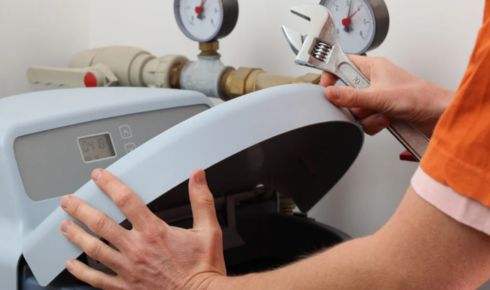
Professional water softener repair is useful when the problem goes beyond adding salt or resetting a timer. A trained technician can check whether the unit is regenerating properly, whether the brine tank is working, and whether the resin bed still has life left in it. That kind of inspection saves homeowners from guessing.
Diagnostics Take the Mystery Out of It
One of the most frustrating parts of water treatment problems is not knowing where the issue begins. Is it the softener? The filter? The plumbing? The water heater? Has the water quality changed, or has the equipment stopped keeping up?
Good system diagnostics help answer those questions. A technician can test water before and after the equipment, check flow rates, inspect valves, review settings, and look for signs of clogging or wear. This gives a clearer picture of what’s actually happening instead of replacing parts blindly.
That matters because not every symptom points to the same problem. Hard water, low pressure, strange taste, cloudy water, or staining can each have different causes.
Filters Need Timely Replacement
Many filtration systems rely on cartridges, media, or membranes that gradually lose effectiveness. If filters are not replaced on schedule, water quality can drop. Pressure may decrease too, especially when sediment builds up.
Carbon filters can become exhausted. Sediment filters can clog. Reverse osmosis membranes may slow down over time. Whole-house systems may need media replacement after years of use. None of this means the system is bad. It simply means it needs care.
Maintenance Protects Appliances Too
Water treatment systems often support more than just taste and comfort. They also help protect appliances from scale, sediment, and mineral buildup. Water heaters, dishwashers, washing machines, coffee makers, and ice machines all benefit when water quality stays consistent.
If the softener stops working or filters are neglected, appliances may begin collecting buildup again. That can reduce efficiency and shorten their lifespan. So in a way, caring for the water system helps care for everything connected to it.
Don’t Ignore the Brine Tank
The brine tank is one of the most overlooked parts of a softener. People add salt and assume everything is fine. But salt can form a hard crust, called a salt bridge, which prevents proper brine formation. The tank may look full while the system is actually not getting the salt it needs.
It’s worth checking occasionally. If the salt level never seems to drop, or if the water feels hard even though the tank is full, something may be wrong inside.
Professional Help Saves Time
Some maintenance can be handled by homeowners, like checking salt levels or replacing simple filters. But deeper service is better left to someone who works with water systems every day. They know what normal sounds like, what worn parts look like, and which readings suggest trouble.
A good technician won’t just fix the immediate problem. They’ll explain what happened, how to prevent it, and when the next service should be scheduled.
Keep the Water Working Quietly
A well-maintained water system should not demand much attention. It should quietly do its job in the background, giving you better water for drinking, cleaning, bathing, laundry, and appliances.
The trick is not waiting until the water feels wrong again. A little care now can prevent bigger inconvenience later. And when your water system is looked after properly, clean, soft, reliable water becomes one less thing to worry about at home.

