A plumbing leak doesn’t always begin with water dripping from the ceiling or a puddle spreading across the kitchen floor. Sometimes, the signs are much quieter. You might notice a strange smell near the bathroom, a damp patch that keeps returning, or a utility bill that suddenly seems too high.
It’s easy to dismiss these things. Life gets busy, and nobody wants to start tearing apart a wall because of a little discoloration. But water has a way of finding its path into places where it can cause trouble, often long before the damage becomes obvious.
Knowing how to recognise early warning signs can help you protect your home, avoid unnecessary repair costs, and understand when it’s time to call a plumber. A little attention now can save you a great deal of frustration later.
When Your Water Bill Suddenly Goes Up
An unexpected increase in household water usage is one of the simplest clues that something may be wrong. Of course, a higher bill doesn’t automatically mean there’s a leak. Guests staying over, extra laundry, gardening, or seasonal changes can all affect consumption.
Still, if your daily routine hasn’t changed and your water bill keeps climbing, it’s worth investigating.
Related analysis: Keeping Your Heating System Reliable: Repair, Maintenance, and the Small Signs That Matter
To begin, compare your latest bill with previous months. Look at the amount of water used, not just the total charge, because changes in tariffs can make the cost rise even when consumption remains similar.
Next, check the toilet cisterns, taps, shower connections, and visible pipes. A toilet with a faulty flush valve can waste water continuously without leaving a puddle on the floor. You may hear a faint hissing sound or notice the cistern refilling when nobody has used it.
You can also check your water meter. Turn off taps and water-using appliances, making sure automatic systems aren’t running, then observe the meter. If it continues registering water use, a leak may be present. Some meters are difficult to interpret, so consult your water supplier if you’re unsure.
If the increase remains unexplained, arrange an inspection rather than waiting for another bill to arrive.
Damp Patches That Keep Coming Back
A small patch of peeling paint might not seem especially worrying. Perhaps the room gets humid, or maybe the wall wasn’t painted properly. Those explanations are possible, but persistent dampness deserves a closer look.
Related analysis: Why More Homeowners Are Rethinking the Water Flowing Through Their Homes
Look for paint that bubbles, plaster that crumbles, wallpaper that begins lifting, or brownish stains spreading across ceilings and walls. You might also notice that a section of flooring feels different underfoot or that a cupboard smells musty even after you’ve cleaned it.
These signs can indicate moisture accumulating behind a surface. A leaking supply pipe is one possible cause, but it’s not the only one. Condensation, poor ventilation, roof damage, and rainwater entering through exterior walls can produce similar symptoms.
The location and pattern of the dampness can offer useful clues. For instance, a stain beneath an upstairs bathroom may be related to plumbing or shower waterproofing. Dampness around a window could point towards rainwater penetration or condensation instead.
Avoid covering the affected area with fresh paint before identifying the source. It may improve the appearance for a while, but it won’t solve an ongoing water problem. If the patch returns, spreads, or develops a persistent smell, have it assessed.
Why Warm Floors Can Be a Warning Sign
Imagine walking barefoot across your hallway one morning and noticing that a particular patch of flooring feels warmer than the surrounding area. If your home doesn’t have underfloor heating, that difference may seem odd.
Related analysis: The Little Signs Your Home’s Water Might Be Trying to Tell You Something
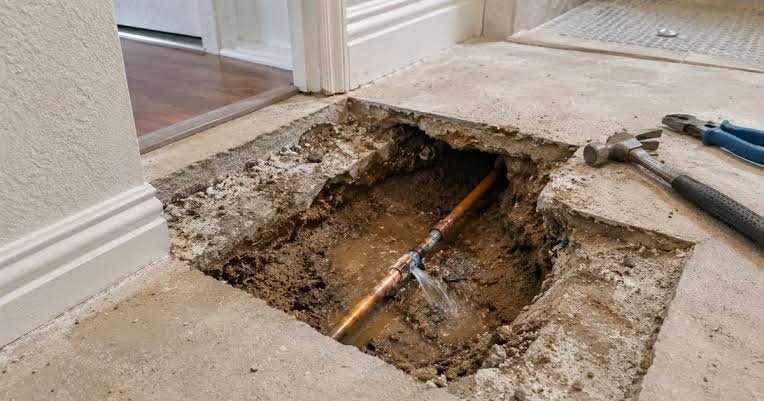
In some circumstances, warm floors can indicate a leak from a hot-water pipe running beneath the floor or inside a concrete slab. Escaping hot water can heat nearby materials, creating a noticeable difference in temperature.
Other signs may include unexplained water usage, damp flooring, reduced hot-water pressure, or the sound of running water when all fixtures are switched off. Not every warm patch indicates a leak, though. Sunlight, heating systems, electrical equipment, and normal temperature variations can produce similar effects.
If you suspect a leak beneath a concrete slab, avoid trying to break through the floor yourself. The pipe’s exact location may not be obvious, and unnecessary demolition can increase repair costs.
Professional plumbers may use acoustic equipment, thermal imaging, pressure testing, or other diagnostic methods to narrow down the source. The appropriate technique depends on the plumbing layout and the symptoms involved.
Early investigation is particularly important when the warmth is accompanied by dampness or an unexplained increase in water consumption.
Related analysis: The Everyday Benefits of Better Water: Protecting Your Home and Making Life Easier
Strange Smells and the Sound of Running Water
Not every plumbing warning sign is visible. Sometimes your ears and nose notice a problem first.
A persistent musty smell inside a cupboard, beneath a sink, or near a wall may indicate damp materials. If the smell remains after cleaning and improving ventilation, investigate further. Hidden water can accumulate behind cabinets and inside enclosed spaces, where it may take considerable time to dry.
Listen, too. A faint hissing, trickling, or running-water sound when nobody is using the plumbing can suggest a leak. Toilets are a common source of continuous water flow, but pipes behind walls may also produce unusual sounds.
Try switching off water-using appliances and checking that taps are fully closed. If the noise continues, don’t assume it’s harmless. The sound could have another explanation, but a plumbing inspection can help rule out a leak.
Be cautious around areas where water may have reached electrical outlets, wiring, or appliances. Don’t touch wet electrical equipment or enter a flooded area with possible electrical hazards. Safety comes first.
Related analysis: Finding the Right Place for a Drinking Water System in Your Home
How Professionals Find Hidden Leaks
Finding the exact source of a leak can be tricky because water doesn’t always appear where it escapes. It may travel along pipes, timber, concrete, or the underside of flooring before becoming visible.
A professional inspection usually begins with questions about the symptoms, when they started, and whether anything has changed recently. The plumber may then examine exposed pipes, check water pressure, inspect the meter, and test relevant fixtures.
Depending on the situation, specialised equipment can help pinpoint the problem. Acoustic listening devices detect sounds associated with escaping water. Moisture meters assess dampness in building materials, while thermal imaging can reveal temperature differences that warrant further investigation.
These tools aren’t magic, and no single reading necessarily confirms a leak. Skilled interpretation matters, particularly when the symptoms could have several causes.
Once the source is identified, the plumber can recommend a suitable repair. That might mean replacing a faulty connection, repairing a damaged pipe, or investigating a larger section of the plumbing system if deterioration appears widespread.
Ask for an explanation of the findings before approving major work. Understanding where the leak is and why it happened helps you make an informed decision.
What to Do When You Suspect a Leak
If you find an active leak, shut off the nearest isolation valve or the main water supply if you can do so safely. Move valuables away from the affected area and contact a qualified plumber if the problem isn’t straightforward.
Don’t ignore recurring signs simply because the water disappears after a few hours. Hidden leaks can continue behind surfaces even when the visible area looks dry.
Once the repair is complete, check that the affected area dries properly and arrange any necessary restoration. Persistent damp materials may need professional drying or assessment for mould, especially after a substantial leak.
It’s also sensible to make occasional checks around toilets, under sinks, and near appliances. These small habits don’t take much time, and they can reveal problems before they become emergencies.
Catch the Warning Signs Before They Grow
A hidden water leak can be frustrating because it often starts with something easy to overlook. An unusual bill, a damp wall, a warm patch of flooring, or a persistent musty smell may not seem urgent on its own.
But when a change is unexplained or keeps returning, it’s worth taking seriously. Identify the likely source, avoid guesswork, and get professional help when needed.
Your home doesn’t need constant inspection, just a little attention now and then. Acting on an early warning sign may be the difference between a straightforward plumbing repair and weeks of disruption, damaged flooring, and expensive restoration.