Most people don’t think about water very much until it starts tasting strange. It’s one of those quiet parts of life that stays in the background — filling the kettle in the morning, rinsing vegetables at dinner, grabbing a quick glass before bed. Water is supposed to feel neutral, almost invisible.
So when something changes, even slightly, it stands out immediately.
Maybe your coffee suddenly tastes sharper than usual. Maybe there’s a faint swimming-pool smell coming from the sink after turning on the tap. Or maybe guests politely ask for bottled water without saying why. Little moments like that have a way of sticking in your head.
And honestly, once you notice a difference in your water, it’s hard to ignore it afterward.
Water Quality Is Different Everywhere
One thing homeowners often forget is that no two water systems are exactly alike. The water reaching your house depends on local infrastructure, treatment methods, pipe conditions, seasonal weather, and even the distance from the nearest treatment facility.
Related analysis: The Everyday Effects of Hard Water Most Homeowners Don’t Notice Right Away
Some areas naturally have mineral-heavy water. Others rely on stronger treatment processes because of population density or environmental concerns.
That’s why two homes only a few miles apart can have completely different water experiences.
A friend of mine moved from a small rural town into the city and couldn’t stop complaining about the tap water. “It tastes like someone cleaned the pipes with chemicals,” she said. It turned out the local supply used heavier chlorination than what she’d grown up with, which created a noticeable chemical taste she wasn’t used to.
Nothing dangerous necessarily — just unfamiliar and unpleasant.
Why Water Treatment Matters
Municipal treatment facilities play an important role in keeping public water supplies safe. Without proper sanitation, communities would face far bigger health concerns than strange flavors or smells.
Related analysis: Why Tap Water Sometimes Tastes Fine One Day and Strange the Next
That’s where a disinfectant like chlorine comes into the picture. It helps eliminate bacteria and harmful microorganisms as water travels through underground systems and into homes.
The challenge is that treatment chemicals don’t always disappear completely by the time water reaches the tap. Depending on concentration levels, pipe age, and regional treatment practices, some homeowners notice stronger tastes or odors than others.
And honestly, people react differently to it. Some barely notice. Others find it impossible to ignore.
Taste Affects More Than Drinking Water
When people think about water quality, they usually focus on whether it’s technically safe to drink. But comfort matters too.
If water tastes odd, it changes daily habits in ways people don’t always realize immediately.
Related analysis: A Cleaner Job Site Starts With the Right Waste Plan
Coffee loses its smoothness. Tea feels bitter. Even pasta or soup can absorb strange flavors while cooking. Some people stop drinking enough water altogether because they simply don’t enjoy the experience anymore.
It’s funny how something as basic as taste can quietly shape routines around the house.
I remember staying at a relative’s home where the tap water had such a strong chlorine flavor that everyone kept reusable bottles in the fridge filled with filtered water instead. Nobody really talked about it directly — it had just become part of the household routine over time.
Municipal Systems Aren’t Perfect
People sometimes assume that because municipal water is treated and regulated, it should always taste identical everywhere. But real-world infrastructure is more complicated than that.
Treatment plants adjust chemical levels seasonally. Older pipes can influence flavor. Repairs or maintenance work may temporarily affect water conditions in certain neighborhoods.
Related analysis: A Practical Look at Reverse Osmosis and More Responsible Water Filtration
Even weather events can impact local water treatment needs.
That doesn’t automatically mean the water is unsafe. In fact, many changes are temporary and carefully monitored. Still, homeowners naturally become concerned when something about their water suddenly feels different.
And honestly, they should pay attention to those changes rather than dismissing them completely.
The Emotional Side of Water Quality
There’s something deeply personal about water because we interact with it constantly. We cook with it, bathe in it, give it to our kids and pets. So when it smells or tastes strange, trust disappears surprisingly fast.
People begin second-guessing simple things:
Related analysis: Creating a More Comfortable Home Starts with Better Water Systems
- “Should I drink this?”
- “Why does the shower smell different?”
- “Has the water always tasted like this?”
Even when the issue turns out harmless, uncertainty itself creates stress.
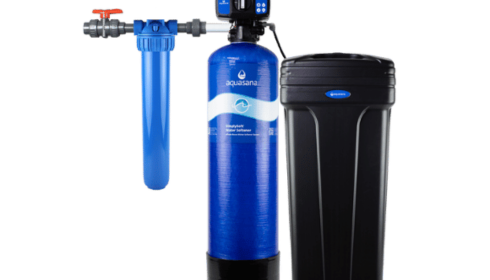
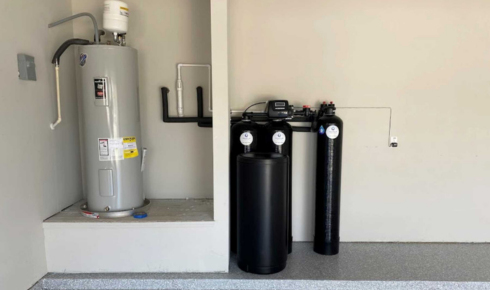
That’s one reason filtration systems have become increasingly popular. For many homeowners, it’s not about fear — it’s about comfort and consistency. People want water that tastes clean and feels reliable every day without needing to think about it.
Testing Brings Peace of Mind
A mistake many people make is assuming every taste or smell automatically signals contamination. Sometimes the issue is simply elevated chlorine levels or mineral content. Other times, aging plumbing inside the home plays a role.
The only real way to know what’s happening is through proper water testing.
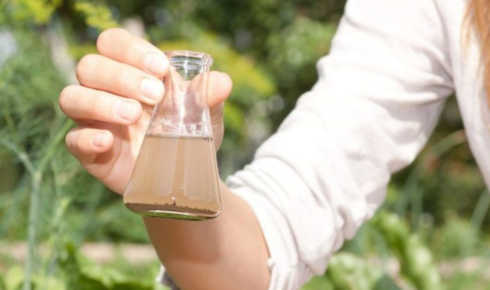
Testing removes guesswork and helps homeowners understand whether they’re dealing with treatment chemicals, minerals, sediment, or something else entirely. Once the actual cause becomes clear, choosing the right solution feels much less overwhelming.
And honestly, peace of mind is probably one of the biggest benefits of understanding your water.
Better Water Quietly Improves Daily Life
One thing people rarely mention after improving their water quality is how quickly they stop thinking about it altogether.
Coffee tastes normal again. Ice cubes don’t carry strange aftertastes. Showers feel cleaner. Guests stop asking for bottled water.
Life simply feels easier.
Maybe that’s the best thing about good water — it fades quietly into the background where it belongs. You shouldn’t have to analyze every sip or wrinkle your nose at the kitchen sink.
At the end of the day, clean, comfortable water isn’t just about health standards or filtration systems. It’s about making everyday life feel a little more natural, one ordinary moment at a time.