Most people don’t think much about the water coming out of their kitchen faucet. It’s one of those background parts of life that quietly keeps everything moving — morning coffee, pasta boiling on the stove, filling up a dog bowl before heading out the door.
Water is supposed to feel simple.
But every now and then, something changes. The taste feels sharper than usual. There’s a faint chemical smell during showers. Maybe your tea suddenly tastes slightly “off,” even though you’re using the same brand you always buy.
Those moments tend to make people pause.
And honestly, once you notice something unusual about your water, it becomes difficult not to think about it every single day.
Related analysis: When Your Tap Water Starts Tasting Strange, It’s Usually Worth Paying Attention
Why Cities Use Chlorine in Water
To be fair, chlorine exists in public water systems for an important reason. Municipal treatment facilities rely on it to kill harmful bacteria and microorganisms before water reaches homes.
Without proper water disinfection, modern water systems would look very different — and much less safe.
So chlorine itself isn’t the enemy.
The issue usually comes down to balance. Sometimes chlorine levels become noticeable enough to affect taste, smell, or overall comfort. Water may still meet local safety standards, but people start noticing small changes in daily life that become surprisingly irritating over time.
I remember staying at a relative’s house one summer where the shower steam smelled faintly like a public swimming pool. Nobody else seemed bothered by it anymore because they’d grown used to it. But for visitors, it stood out immediately.
Related analysis: Why Some Tap Water Never Quite Tastes Right
Funny how quickly we normalize things inside our own homes.
Water Comfort Matters More Than People Think
There’s a difference between water being technically safe and water actually feeling pleasant to use every day.
That distinction gets overlooked constantly.
People cook with tap water. Brew coffee with it. Wash vegetables. Brush their teeth. Fill reusable bottles before leaving the house. When the taste or smell feels wrong, even subtly, it affects dozens of routines without us realizing it at first.
That’s partly why homeowners have become more interested in chlorine removal systems over the last several years.
Related analysis: A Practical Look at Reverse Osmosis and More Responsible Water Filtration
Not because everyone suddenly distrusts municipal treatment entirely, but because comfort matters too. Better-tasting water often encourages healthier hydration habits. Cleaner-smelling showers simply make a home feel more relaxing.
Those things sound small until you experience the difference yourself.
The Shower Is Usually Where People Notice It First
Interestingly, chlorine problems often become more obvious in hot water than cold water.
Warm steam releases chlorine compounds into the air more quickly, which explains why some bathrooms develop that sharp, pool-like odor during showers. The smell lingers in the steam and makes everything feel more chemical than refreshing.
For people with sensitive skin or strong sensitivity to smells, this can become especially frustrating.
Related analysis: Creating a More Comfortable Home Starts with Better Water Systems
Dryness after showers is another common complaint. While chlorine isn’t always the only factor involved, heavily treated water can sometimes leave skin feeling tighter or hair feeling slightly rough after washing.
And honestly, those little discomforts add up faster than people expect.
Why Taste Changes Matter
People often dismiss water taste as a minor issue, but realistically, taste shapes behavior.
If tap water tastes strange, many families end up buying bottled water constantly or avoiding plain water altogether. Some switch to flavored drinks without fully realizing the tap itself became the problem.
That’s why improving drinking water quality at home can make a surprisingly noticeable difference in daily routines.
Related analysis: How Better Water Quietly Improves the Comfort of Your Home
I knew someone who installed a basic carbon filter after years of disliking her tap water. A few weeks later she mentioned something funny — her kids suddenly started filling reusable bottles without being reminded.
Turns out, people naturally drink more water when it actually tastes good.
Not Every Home Needs an Extreme Solution
The internet has a habit of turning ordinary household concerns into dramatic emergencies. Water treatment discussions especially can spiral fast.
One strange odor and suddenly online forums convince homeowners their pipes are poisoning them.
Reality is usually much more manageable than that.
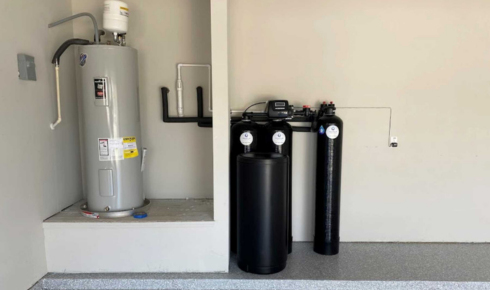
In many homes, a simple activated carbon filter significantly reduces chlorine taste and odor. Other households benefit from whole-home filtration if showers and laundry are also affected. Some people only need refrigerator filters or under-sink systems.
The important thing is understanding the actual problem first instead of panic-buying expensive equipment because of aggressive marketing.
Because honestly, every home’s water situation is slightly different.
Better Water Quietly Changes Daily Life
One thing people rarely mention is how quickly cleaner-feeling water fades into the background again — in a good way.
You stop noticing strange smells during showers. Coffee tastes normal again. Ice cubes don’t carry a faint chemical aftertaste. The kitchen sink simply becomes… ordinary.
And maybe that’s the real goal.
Good water isn’t supposed to be exciting. It’s supposed to feel invisible. Reliable. Comfortable. Easy to trust without overthinking every glass you pour.
That sense of normalcy matters more than we realize.
Paying Attention Without Becoming Obsessed
At the end of the day, most homeowners aren’t trying to create laboratory-perfect water systems inside their homes.
They simply want water that tastes clean, smells neutral, and feels pleasant to use every day.
And honestly, that’s a pretty reasonable expectation.
Water touches almost every part of daily life. So when something feels slightly off — even subtly — people notice it emotionally as much as physically.
Once the issue improves, though, there’s usually a quiet sense of relief. The house feels calmer somehow. Everyday routines stop carrying tiny irritations in the background.
Sometimes the best home improvements are the ones you stop noticing completely once they’re fixed.